Key Takeaways
- The number of pigment removal sessions varies based on individual factors.
- Visible improvements can be seen within weeks, but significant results require consistent treatment.
- Hyperpigmentation is caused by factors like sun exposure and hormonal changes.
- Common treatments include chemical peels, laser therapy, and microneedling.
- Consistent follow-up appointments and diligent at-home care are crucial for success.
Determining the exact number of pigment removal sessions needed is highly individualized, depending on the severity, depth, and type of hyperpigmentation you are treating (such as melasma or sun spots). Generally, a combination approach involving multiple treatments spaced several weeks apart is required to achieve optimal fading and even skin tone.
How long does it take to see results from pigment removal treatments?
Visible improvements in pigmentation usually begin appearing within the first few weeks following your initial session. However, significant, noticeable reduction requires consistent commitment over time. Pigmentation issues often stem from deep dermal layers or hormonal cycles, meaning that fading is a gradual process rather than an immediate one.
The rate of improvement varies widely among individuals. Some people see dramatic changes after just 3 to 5 sessions, while others may require up to a year of consistent care and treatments. This timeline emphasizes the importance of patience and adhering strictly to recommended at-home care protocols between appointments.
It is crucial to understand that pigment removal focuses on reducing the visible signs of pigmentation. Treating the underlying cause—such as sun exposure or hormonal fluctuations—is equally important for maintaining those results in the long term.
Why does my skin get hyperpigmentation in the first place?
Hyperpigmentation, or excess melanin production, is a very common condition that affects nearly everyone at some point. It is not inherently a sign of poor care, but rather a reaction to specific triggers.
- Sun Exposure: This is the most frequent and potent trigger. UV radiation stimulates melanocytes (the cells that produce pigment) to overproduce melanin in an attempt to protect the skin, often leading to sun spots or uneven tone.
- Hormonal Changes: Fluctuations in hormones, particularly those related to pregnancy or birth control use, can stimulate melasma—a common form of patchy brown discoloration.
- Inflammation and Trauma (Post-Inflammatory Hyperpigmentation): Any injury, breakout, rash, or deep pimple can trigger the body to produce excess pigment at that site as part of the healing response. This is often seen following acne breakouts.
- Genetics: Some individuals are genetically predisposed to developing hyperpigmentation more easily than others.
Understanding why your pigmentation developed allows us to tailor a comprehensive treatment plan that addresses both the visible spots and the root cause, whether it be sun damage or hormonal sensitivity.
What is the difference between pigment removal treatments?
There are many professional-grade treatments available for reducing hyperpigmentation, and the choice depends entirely on the specific type of discoloration you are facing and your skin's sensitivity level. A qualified provider at Sherry Cosmetic Clinic will perform a detailed consultation to recommend the best approach.
Commonly used modalities include:
- Chemical Peels: These involve applying a solution (the peel) that causes controlled exfoliation of the outer layer of the skin (epidermis). The depth and strength of the peel can be adjusted—from very superficial peels for mild discoloration to deeper peels for more stubborn pigment.
- Laser Therapy: Various types of lasers target specific pigmentation. Some lasers are designed to break up melanin clusters deep in the skin, while others provide controlled heat to stimulate collagen renewal and improve overall tone.
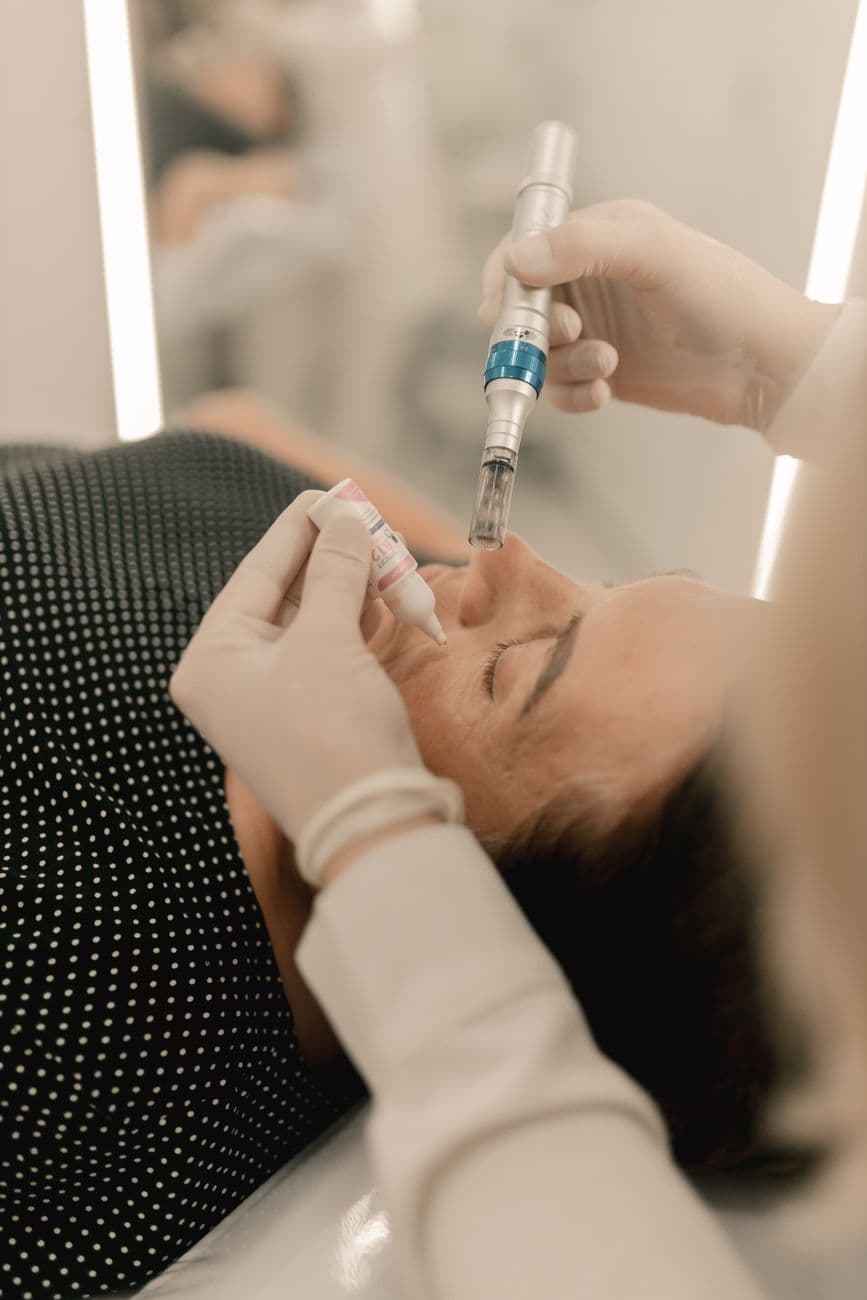
- Microdermabrasion/Microneedling: While excellent for texture improvement, these techniques can also help exfoliate the upper layers of pigmented skin. Microneedling, specifically, stimulates healing and collagen production, which helps fade existing marks over time.
It is important to note that these treatments are not one-size-fits-all; a mix of modalities may be required for optimal results.
How often should I book follow-up appointments?
Consistency is the single most critical factor in successful pigment management. Because pigmentation issues are chronic and cyclical, your treatment plan must reflect this reality.
In general, initial sessions may be scheduled every 2 to 4 weeks. This frequent interval allows the treated skin sufficient time to heal from the previous session while ensuring that active treatments are applied regularly enough to interrupt the cycle of pigment production.
As you progress and your skin stabilizes, the frequency may taper off—perhaps moving to monthly or bi-monthly appointments for maintenance. However, this tapering only occurs once significant improvement has been achieved and maintained over a substantial period. Never stop treating pigmentation simply because you feel better; consistent prevention is key.
What do I need to do at home between sessions?
The results of professional treatments are heavily dependent on the care provided in the clinic and the diligent routine maintained at home. Professional pigment removal procedures weaken or exfoliate the skin barrier, making the skin extremely vulnerable immediately after treatment.
Sun Protection is Non-Negotiable: This cannot be stressed enough. Regardless of the day's weather or if you are indoors, wearing broad-spectrum SPF 30 or higher sunscreen is mandatory. Sun exposure will undo weeks or months of hard-earned progress and potentially worsen pigmentation through a process called Post-Inflammatory Hyperpigmentation (PIH).
- Daily Application: Apply sunscreen to all exposed skin every single morning.
- Reapplication: Reapply SPF every two hours when outdoors, even if you are just running errands in Richmond Hill or the GTA.
- Physical Barriers: Consider wearing physical sun blockers like wide-brimmed hats and sunglasses, as these offer reliable protection beyond chemical filters.
Other crucial at-home steps include:
- Gentle Cleansing: Using only mild, pH-balanced cleansers to avoid irritating the newly treated skin.
- Targeted Serums: Utilizing prescribed serums containing ingredients that help fade pigment (such as Vitamin C or specific retinoids) only when cleared by your practitioner.
- Avoiding Triggers: Minimizing activities like aggressive facial exfoliation, picking at blemishes, or using harsh skincare chemicals until the skin has fully recovered.
By committing to this rigorous aftercare regimen, you maximize the effectiveness of every session and accelerate your journey toward an even complexion.
Achieving significantly reduced pigmentation is a marathon, not a sprint. It requires integrating professional medical treatments with unwavering dedication to sun avoidance and meticulous at-home skincare. By following the expert advice provided by Sherry Cosmetic Clinic and remaining consistent in both appointments and routine care, you can steadily work towards achieving your most radiant skin yet.
Frequently Asked Questions
How many pigment removal sessions are typically needed?
The number of sessions varies based on individual factors like severity and type of hyperpigmentation. Generally, multiple treatments spaced weeks apart are required for optimal results.
When can I expect to see results from pigment removal treatments?
Visible improvements often begin within a few weeks after the initial session. Significant reduction requires consistent treatment over time, with some seeing changes in 3 to 5 sessions and others needing up to a year.
What causes hyperpigmentation?
Hyperpigmentation can be caused by sun exposure, hormonal changes, inflammation or trauma, and genetics. Understanding the cause helps tailor a comprehensive treatment plan.
What are some common pigment removal treatments?
Common treatments include chemical peels, laser therapy, and microneedling. The choice depends on the type of discoloration and skin sensitivity.
How often should follow-up appointments be scheduled?
Initial sessions are typically every 2 to 4 weeks. As skin stabilizes, frequency may decrease to monthly or bi-monthly for maintenance.
What at-home care is necessary between pigment removal sessions?
Sun protection with broad-spectrum SPF, gentle cleansing, and avoiding triggers are crucial. Following these steps maximizes treatment effectiveness.
Related Services
Ready to book? Book an appointment with Sherry Cosmetic Clinic in Richmond Hill, or get in touch if you have a question first.