Key Takeaways
- Microneedling stimulates collagen production to treat hyperpigmentation.
- Effective for sun spots, PIH, and mild melasma.
- Requires multiple sessions and consistent aftercare.
- Performed safely in a clinical setting with proper sun protection.
Microneedling for Hyperpigmentation: Does It Work?
Microneedling is a clinically supported method that can significantly improve the appearance of various forms of hyperpigmentation, such as sun spots and post-inflammatory marks. It works by creating controlled micro-injuries in the skin, prompting a powerful natural healing cascade that stimulates collagen production and helps resurface pigment irregularities over time.
How Does Microneedling Treat Hyperpigmentation?
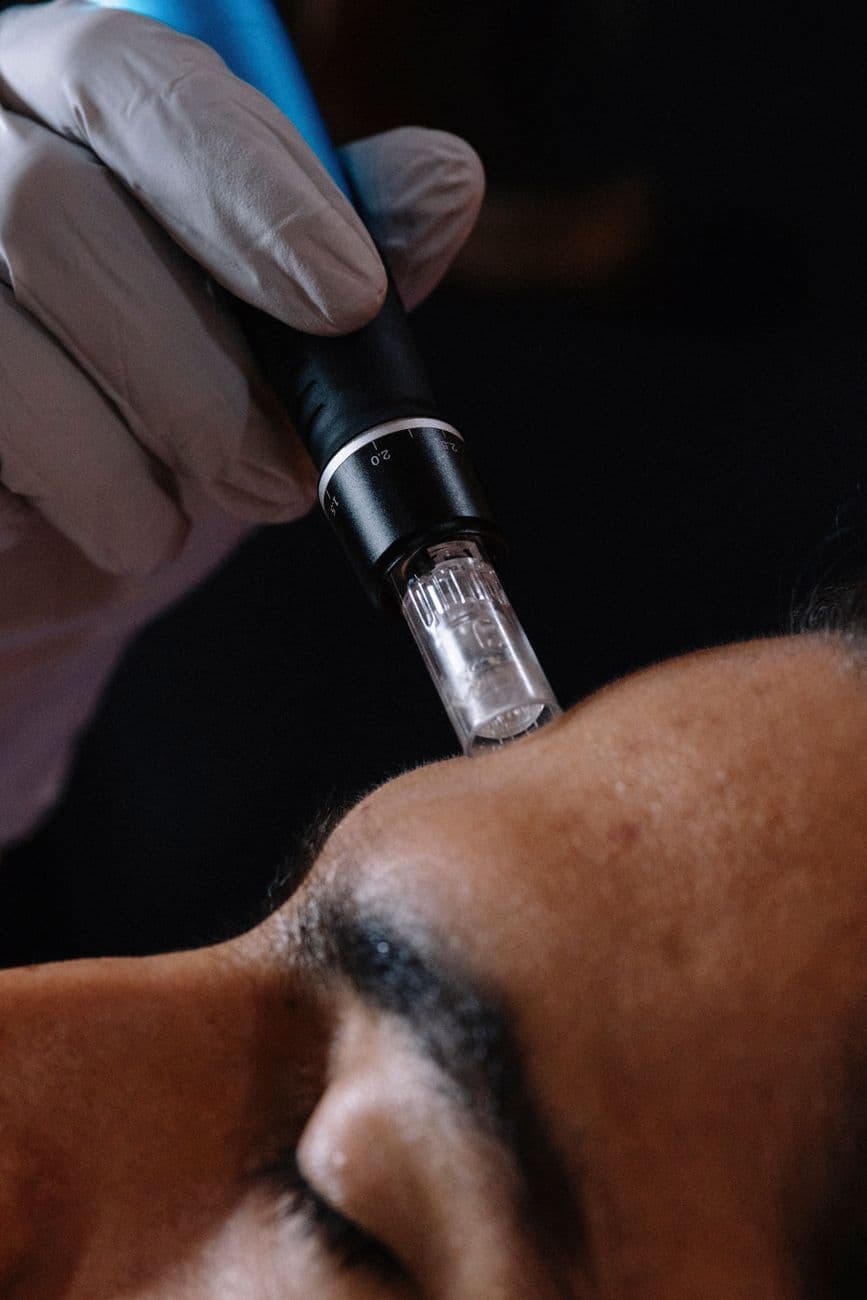
At its core, microneedling (or skin rejuvenation) is not merely a surface exfoliant; it is a controlled wound-healing process. When fine needles penetrate the outermost layers of the skin (the epidermis), they cause microscopic injuries. This triggers the body’s natural healing response, leading to increased production of collagen and elastin—a process called neocollagenesis.
For hyperpigmentation, this deeper resurfacing action is key. Pigment spots are often visible due to irregular melanin deposition or damage that has altered the skin structure over time. By stimulating deep tissue repair, microneedling forces the skin to rebuild itself from a healthier base. This renewal process helps to even out the tone and fade the appearance of stubborn discoloration marks, including melasma, sunspots (lentigines), and post-inflammatory hyperpigmentation (PIH).
The physical stimulation helps to:
- Improve Skin Turnover: Accelerating the rate at which surface cells are shed.
- Boost Collagen: Creating more robust support for pigment-containing structures.
- Enhance Absorption: Improving the skin's ability to absorb topical treatments, making subsequent care more effective.
It is important to understand that microneedling does not eliminate all hyperpigmentation in a single session, but rather initiates a gradual process of renewal and correction that requires consistent treatment and diligent at-home care.
What Types of Hyperpigmentation Can Microneedling Help With?
Hyperpigmentation is an umbrella term describing any darkening or unevenness of the skin tone. The effectiveness of microneedling can vary depending on the specific cause and depth of the pigment, but it is generally beneficial for several types:
- Sun Spots (Solar Lentigines): These are common areas of localized pigmentation caused by cumulative sun exposure. Microneedling's resurfacing action helps to treat the skin layers affected by years of UV damage, leading to a gradual lightening and smoothing effect.
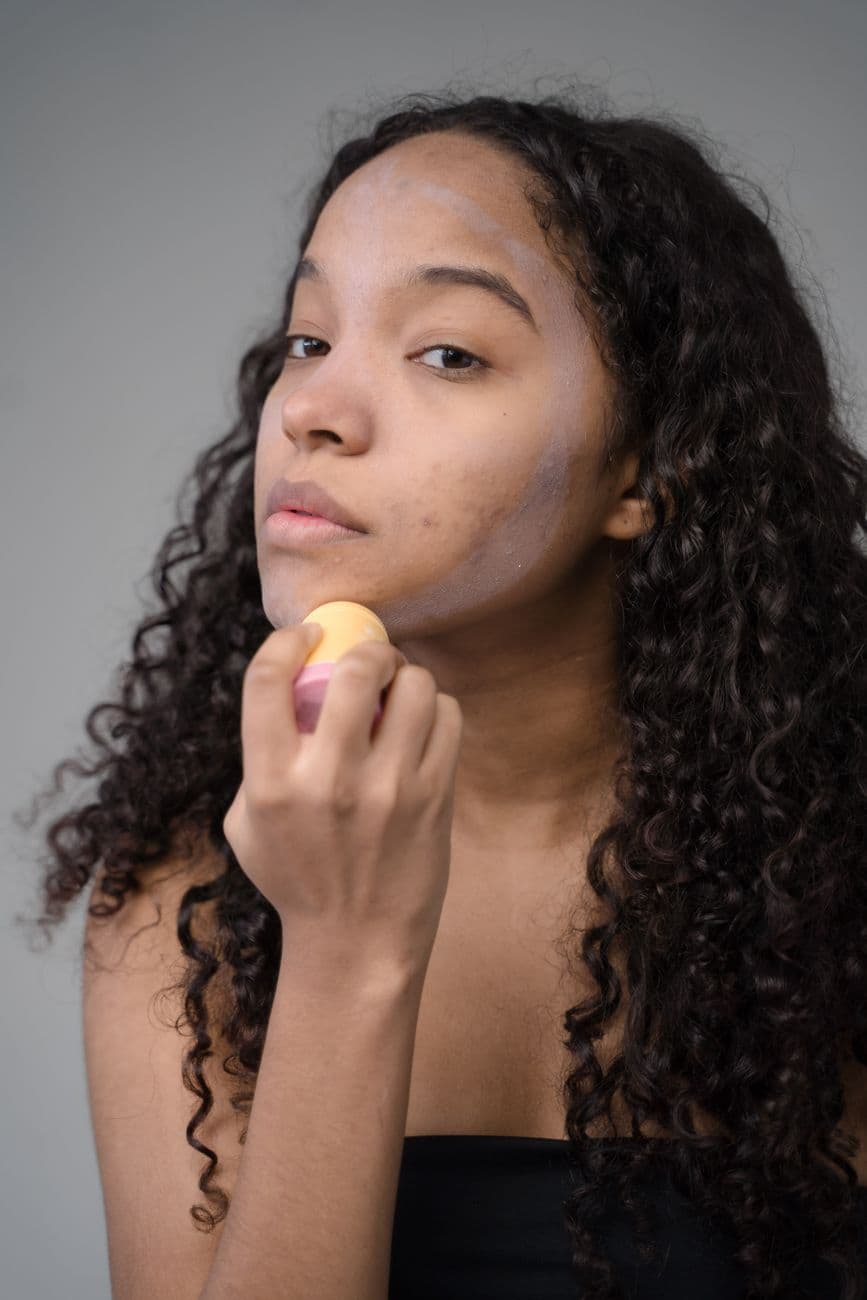
- Post-Inflammatory Hyperpigmentation (PIH): This is perhaps the most common form treated in medical spas. PIH occurs when inflammation—such as from acne breakouts, eczema, or rashes—causes the skin to overproduce pigment at the site of injury. By treating the underlying inflammation and promoting deep healing, microneedling helps interrupt this cycle.
- Mild Melasma: While melasma is a complex condition often linked to hormonal changes and sun exposure, microneedling can be an effective adjunct treatment when combined with professional pigmentation control products. The goal here is not cure, but rather optimizing skin texture and tone to achieve noticeable improvement.
However, if hyperpigmentation is severe or deeply rooted in chronic inflammation, other modalities—such as prescription topicals, chemical peels, or specialized lasers—may be necessary, and a qualified provider like those at Sherry Cosmetic Clinic can recommend the best combination approach tailored specifically to your needs.
How Many Sessions Do I Need for Best Results?
The number of sessions required for microneedling to effectively treat hyperpigmentation is highly individualized and depends on several factors:
- Severity and Depth: If the pigment spots are shallow and recent, results may appear faster than if they are deeply ingrained or decades old.
- Skin Type: Different skin types heal at different rates.
- Commitment to Aftercare: Consistent use of recommended topical treatments between sessions is crucial for maximizing outcomes.
Generally speaking, a structured course of treatment is recommended rather than relying on single touch-ups. While some people may see noticeable improvements in tone after 3–4 initial sessions spaced 2–3 weeks apart, maintaining optimal results often requires periodic "booster" or maintenance treatments every few months.
It is vital to view microneedling as part of a comprehensive skincare regimen. The skin's natural healing process needs time and consistent care to complete the rejuvenation cycle. We always review patient history and physical signs during consultation to set realistic, achievable expectations for your treatment plan.
What Should I Expect During the Microneedling Procedure?
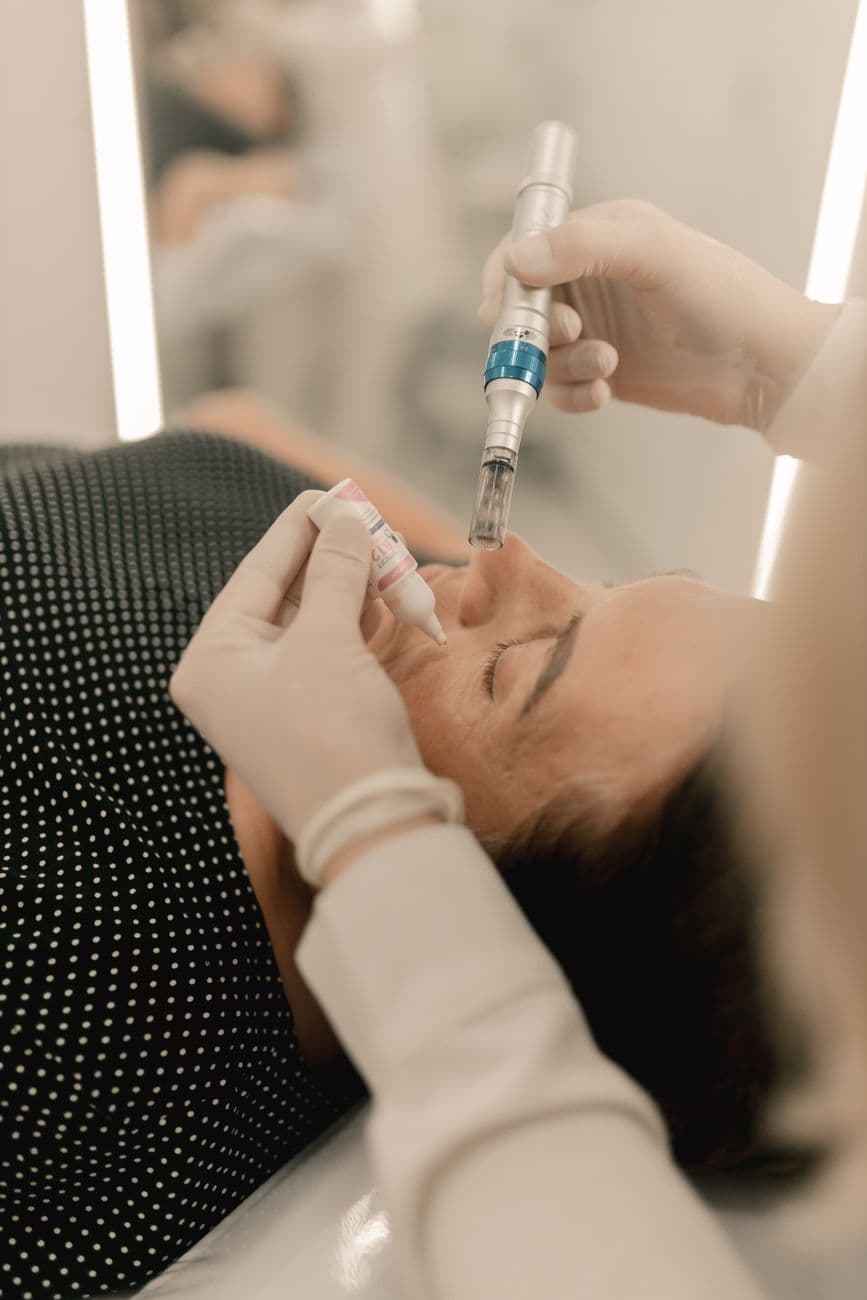
The procedure itself is typically performed in a controlled, clinical setting. The practitioner will cleanse and prep the area thoroughly before using specialized equipment that delivers fine needles at varying depths.
While some patients describe a feeling of tightness or tingling during the process, the sensation is generally well-tolerated. Most modern techniques use topical numbing creams to ensure maximum comfort.
Following the treatment, the skin will be sensitive and red, which is expected. This temporary redness is a sign that the healing cascade has begun effectively. The post-treatment phase involves careful cleansing, application of specific soothing agents, and strict adherence to aftercare guidelines to minimize inflammation and optimize pigment fading.
How Long Does Microneedling Take, and How Will I Recover?
The actual treatment time for microneedling is usually quite efficient, typically lasting between 30 to 60 minutes depending on the area being treated (e.g., just the face versus neck and décolletage).
Recovery involves two main phases: immediate post-care and short-term healing.
Immediate Post-Procedure:
The skin will appear inflamed, red, and slightly swollen for the first 24 to 72 hours. This is part of the normal wound response and indicates that the treatment is stimulating deep collagen repair. The initial redness subsides over a few days as circulation returns to normal.
Short-Term Healing:
For optimal results regarding hyperpigmentation, patience is essential. Visible improvement in tone and texture does not happen overnight; it takes weeks and months as new, healthier skin cells are produced and shed. We provide detailed aftercare instructions that must be followed rigorously—especially regarding sun protection—to protect the newly vulnerable skin barrier during this healing window.
Is Microneedling Safe for Hyperpigmentation? Are There Risks?
When performed by a highly trained professional in a sterile medical environment, microneedling is considered a safe and effective procedure. The primary risks are generally related to infection or poor aftercare, which is why choosing a reputable clinic like Sherry Cosmetic Clinic in Richmond Hill or the GTA is paramount.
Potential minor side effects include:
- Redness (Erythema): Temporary flushing that lasts for several days.
- Swelling: Mild puffiness localized to the treatment area.
- Increased Sensitivity: The skin may feel more sensitive to harsh products or temperatures temporarily.
These side effects are expected signs of healing and generally resolve within a week.
The most critical preventative measure against complication is strict sun protection. Because microneedling makes the skin highly susceptible to UV damage, neglecting sunscreen can undo all progress made and even worsen existing hyperpigmentation through a process called Post-Inflammatory Hyperpigmentation (PIH). Daily use of broad-spectrum SPF 30 or higher is non-negotiable.
Who Is a Good Candidate for Microneedling?
Microneedling is ideal for individuals who are seeking general skin rejuvenation alongside targeted treatment for specific pigment concerns. You would likely be a good candidate if you have experienced:
- Uneven skin tone due to sun exposure or aging.
- Stubborn, superficial pigmentation marks (sun spots).
- History of acne breakouts that left behind dark marks (PIH).
- A desire for overall improvements in skin texture and firmness.
However, a thorough consultation is necessary to rule out contraindications. For example, if you are currently dealing with an active, weeping infection or severe open wounds, microneedling must be postponed until the area has
Frequently Asked Questions
How does microneedling help with hyperpigmentation?
Microneedling treats hyperpigmentation by creating controlled micro-injuries that stimulate collagen production and resurface pigment irregularities.
What types of hyperpigmentation can microneedling address?
It is effective for sun spots, post-inflammatory hyperpigmentation (PIH), and mild melasma.
How many microneedling sessions are needed for best results?
The number of sessions varies based on severity and skin type, typically starting with 3-4 sessions spaced 2-3 weeks apart.
What should I expect during a microneedling procedure?
The procedure involves fine needles creating micro-injuries, with sensations of tightness or tingling, followed by redness and sensitivity.
Is microneedling safe for treating hyperpigmentation?
Yes, when performed by a trained professional in a sterile environment, it is safe but requires strict sun protection post-treatment.
Related Services
Ready to book? Book an appointment with Sherry Cosmetic Clinic in Richmond Hill, or get in touch if you have a question first.