Key Takeaways
- Vascular treatments target spider veins and broken capillaries to improve skin aesthetics.
- Common procedures include sclerotherapy and laser treatment, tailored to individual needs.
- Recovery is generally quick with minimal downtime, though multiple sessions may be needed.
What Is Vascular Treatment for Spider Veins and Broken Capillaries?
Spider veins and broken capillaries are common cosmetic concerns related to visible superficial blood vessels in the skin. Treatment involves procedures designed to seal or eliminate these fragile vessels through controlled methods. These treatments aim to improve the aesthetic appearance of the skin by reducing discoloration and improving vein visibility, often requiring careful assessment by a qualified professional at a clinic like Sherry Cosmetic Clinic.
What Exactly Are Spider Veins and Broken Capillaries?
Spider veins and broken capillaries are both visible signs of weakened or enlarged small blood vessels beneath the skin's surface. While they are related, they refer to slightly different vascular structures.
- Telangiectasias (Spider Veins): These are dilated, superficial veins that appear as a network of fine, reddish-blue lines, resembling a spider’s web. They typically develop due to changes in vein wall strength or pressure within the circulatory system.
- Capillaries: Capillaries are the smallest blood vessels; when they break or leak (often visible as pinpoint red spots), they are sometimes referred to as broken capillaries or petechiae.
The primary cause of these issues is often related to factors that increase pressure in the veins, such as prolonged standing, genetics, hormonal fluctuations, and aging. When the vein walls weaken over time, they become more prone to dilation or rupture, making them visible through the translucent layers of skin.
What Causes Spider Veins and Broken Capillaries?
Understanding the root cause is crucial for managing expectations and determining the best treatment path. The causes are multifactorial, meaning several elements can contribute simultaneously.
- Genetics: A predisposition to weaker vein walls often runs in families.
- Hormonal Changes: Fluctuations in estrogen levels, such as those experienced during pregnancy or menopause, can weaken vessel integrity and increase visibility.
- Increased Venous Pressure: Long periods of standing, high-impact physical activity without proper support, or general systemic issues that affect circulation can put strain on the veins.
- Sun Exposure: Chronic exposure to UV radiation damages collagen and elastin in the skin, weakening the surrounding tissue and making underlying vessels more prominent.
- Aging: As we age, the walls of superficial veins naturally lose elasticity and strength, making them more susceptible to dilatation and visible breakdown.
How Are Vascular Treatments Performed?
Vascular treatments for these concerns are generally performed using specialized medical procedures designed to target and seal the problematic vessels without causing undue damage to surrounding healthy skin tissue. The specific method used depends entirely on the severity of the veins, their location, and your unique skin type.
What Procedures Can Be Used to Treat Veins?
The goal of the treatment is typically sclerosant injection or thermal ablation.
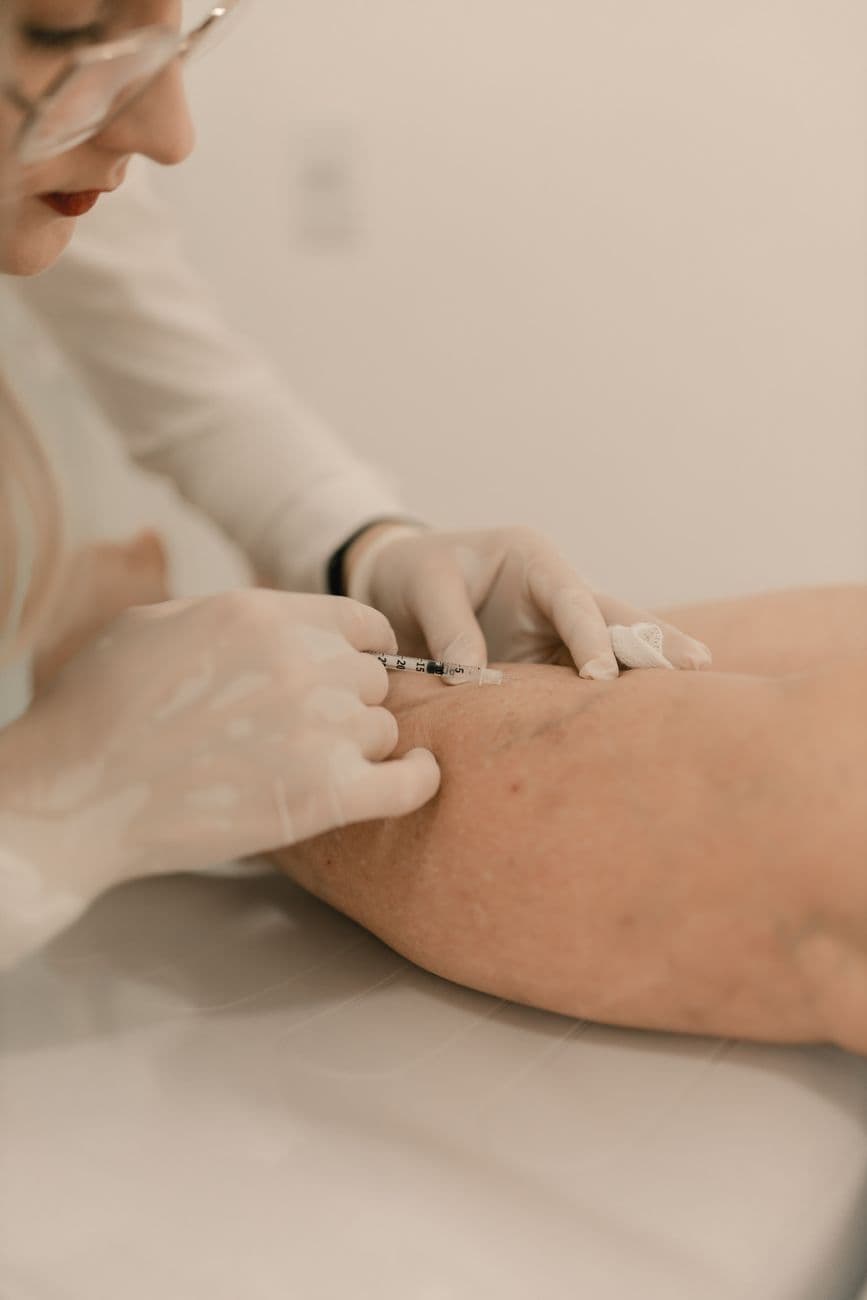
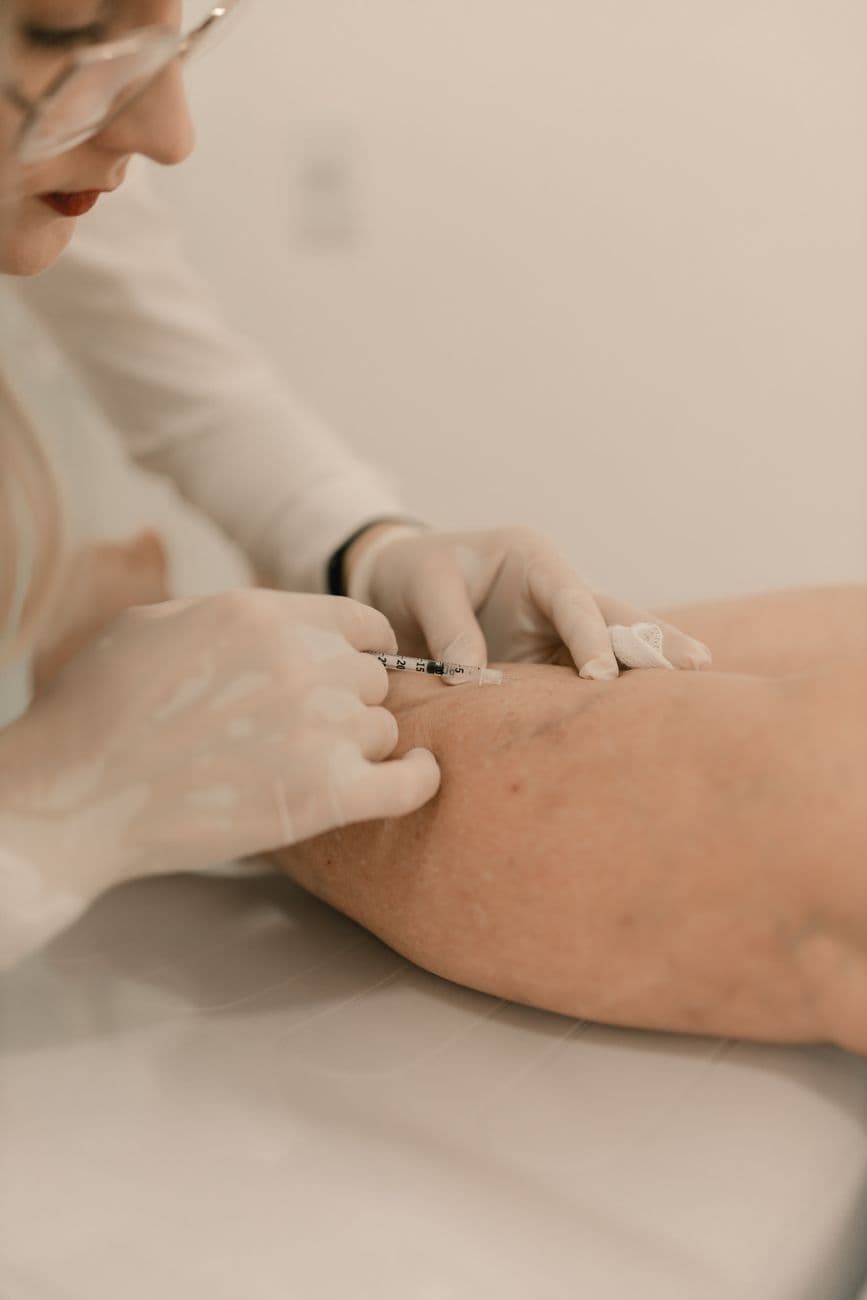
- Sclerotherapy: This is one of the most common treatments for spider veins. A solution (sclerosant) is injected directly into the visible vein. This solution irritates the vein wall, causing it to scar shut over time and eventually disappear. Since the treatment targets only the problematic vessel, it can be highly effective and minimally invasive.
- Laser Treatment: Certain types of lasers are used to seal off or close superficial veins. The laser energy penetrates the skin and heats the vessel walls from within, causing them to constrict and collapse. This method is often preferred for larger networks or when multiple vessels require treatment in one area.
At a facility like Sherry Cosmetic Clinic, practitioners assess your skin and vascular structure to determine whether a topical cream, sclerosant injection, or laser therapy provides the safest and most effective option. A thorough consultation is always necessary before any procedure begins.
What Should I Expect During and After Treatment?
The experience during and immediately following treatment varies depending on the specific technique employed, but general expectations can provide peace of mind.
What Is the Procedure Like?
Most vascular treatments are performed in an outpatient setting and require minimal downtime compared to surgical procedures.
- During Sclerotherapy: You may feel a sensation at the injection site—this is usually described as a stinging or burning feeling, which is managed by local anesthetic creams or numbing agents. The procedure itself is generally quick.
- During Laser Treatment: Patients might feel heat or a mild popping sensation as the laser energy is applied. Again, this discomfort is typically localized and brief.
What Is the Recovery Timeframe?
Recovery time varies significantly based on your body's healing process and the extent of the treatment area.
- Immediate Aftercare: You can usually return to most regular activities shortly after the procedure, though activity restrictions might be given temporarily.
- Bruising and Discoloration: Expect some mild redness, bruising, or tenderness at the injection/treatment sites for a few days. This is normal as your body heals and seals off the vessels.
- Follow-up: Multiple sessions are often required to address the full network of visible veins, which means treatment is typically a gradual process rather than a one-time fix.
Who Is Best Candidate for Vascular Treatment?
While many people experience spider veins, candidacy determination must be personalized. A skilled practitioner will assess several factors to determine if vascular treatment is appropriate for you.
- Aesthetic Concern: The primary driver is usually the cosmetic concern of visible, discolored vessels that impact confidence or appearance.
- Severity and Location: Treatments are best suited for superficial veins (those close to the surface) that are bothersome enough to warrant intervention. Deeper venous issues may require a different medical approach than purely cosmetic treatment.
- Overall Skin Health: The integrity of the surrounding skin tissue is assessed to ensure the chosen method will provide optimal healing and results.
It is crucial to understand that while treatments can dramatically improve the appearance of veins, they are focused on aesthetic refinement rather than treating severe, deep venous insufficiency.
How Long Does It Take To See Results?
Patience is a key component in vascular treatment because the process relies on your body's natural healing and scarring mechanisms.
- Initial Improvement: Some reduction in visibility may be noticeable within days to weeks following the first session.
- Full Results: Achieving optimal, lasting results generally requires a series of treatments spaced several weeks apart. This allows enough time for the vessels to fully scar shut after each injection or laser application.
- Maintenance: Because vein weakness can be influenced by ongoing factors (like sun exposure and genetics), some degree of maintenance treatment may be recommended over time to keep results visible.
Addressing visible veins is a common goal in cosmetic dermatology, offering significant improvements to the skin's overall aesthetic harmony. If you are concerned about spider veins or broken capillaries, remember that the first step toward effective treatment is always a comprehensive consultation with an experienced provider at Sherry Cosmetic Clinic. They can evaluate your specific needs and guide you through the most medically appropriate path toward healthier-looking skin.
Frequently Asked Questions
What are spider veins and broken capillaries?
Spider veins and broken capillaries are visible signs of weakened or enlarged small blood vessels beneath the skin's surface, with spider veins appearing as fine, reddish-blue lines and broken capillaries as pinpoint red spots.
What causes spider veins and broken capillaries?
Causes include genetics, hormonal changes, increased venous pressure, sun exposure, and aging, all of which can weaken vein walls and increase visibility.
How are vascular treatments performed?
Treatments like sclerotherapy and laser therapy target and seal problematic vessels, with the method chosen based on the severity and location of the veins.
What should I expect during and after treatment?
Procedures are minimally invasive, performed in an outpatient setting, with recovery involving mild redness or bruising. Multiple sessions may be needed for full results.
Who is the best candidate for vascular treatment?
Candidates typically have cosmetic concerns about visible veins and should have superficial veins that are suitable for treatment, assessed by a qualified professional.
How long does it take to see results from vascular treatments?
Initial improvement may be seen within days to weeks, but full results require multiple sessions over several weeks, with maintenance treatments possibly needed over time.
Related Services
Ready to book? Book an appointment with Sherry Cosmetic Clinic in Richmond Hill, or get in touch if you have a question first.