Key Takeaways
- Vascular treatments target and seal off superficial blood vessels to reduce facial redness and spider veins.
- Causes include vascular issues, sun damage, genetics, inflammation, and lifestyle factors.
- Common methods are vascular lasers and sclerotherapy, often combined for best results.
- Pain is minimal with proper numbing techniques, and recovery involves several stages.
- Results are gradual, with initial improvements seen within weeks and optimal results over months.
Treatments for facial redness and spider veins typically involve targeted vascular reduction methods, such as advanced lasers or specialized sclerosants, which are designed to collapse and seal off the small, superficial blood vessels. These procedures aim to minimize visible discoloration and improve overall skin tone by treating the underlying circulatory issues that cause the appearance of redness and webs of veins.
What Causes Facial Redness and Spider Veins?
Understanding the root causes is the first step toward effective treatment. Facial redness (erythema) and the presence of spider veins (telangiectasia) are common cosmetic concerns that can arise from a combination of factors, making them visible signs of superficial circulatory changes rather than just surface discoloration.
- Vascular Issues: The most direct cause is dilation or weakness in the small capillaries located just beneath the skin’s surface. These vessels become engorged and more noticeable over time.
- Sun Damage (Photoaging): Prolonged exposure to UV radiation degrades collagen and elastin, weakening the surrounding structural support of the capillaries and making them prone to leaking or becoming visible.
- Genetics: Some individuals are genetically predisposed to having thinner, more visible capillaries.
- Inflammation and Skin Conditions: Certain chronic inflammatory skin conditions can trigger generalized redness across the face.
- Lifestyle Factors: High levels of inflammation, specific dietary triggers, and even hormonal fluctuations can contribute to increased vascular visibility.
Addressing these concerns requires a comprehensive approach that goes beyond simply treating the visible veins; it often involves strengthening the surrounding tissue and managing underlying inflammation.
How Do Vascular Treatments Work to Treat the Face?
The goal of any vascular treatment for the face is to achieve occlusion—meaning the treated vessel must be sealed off or collapsed so that blood flow is rerouted through healthier, deeper vessels. While various technologies are available, the most common approaches include:
- Vascular Lasers: Specific types of lasers can be used to target hemoglobin within the visible veins. The laser energy causes a controlled thermal reaction, which seals and shrinks the vessel walls. These treatments must be tailored precisely because the face contains delicate structures, requiring meticulous control to avoid burns or scarring.
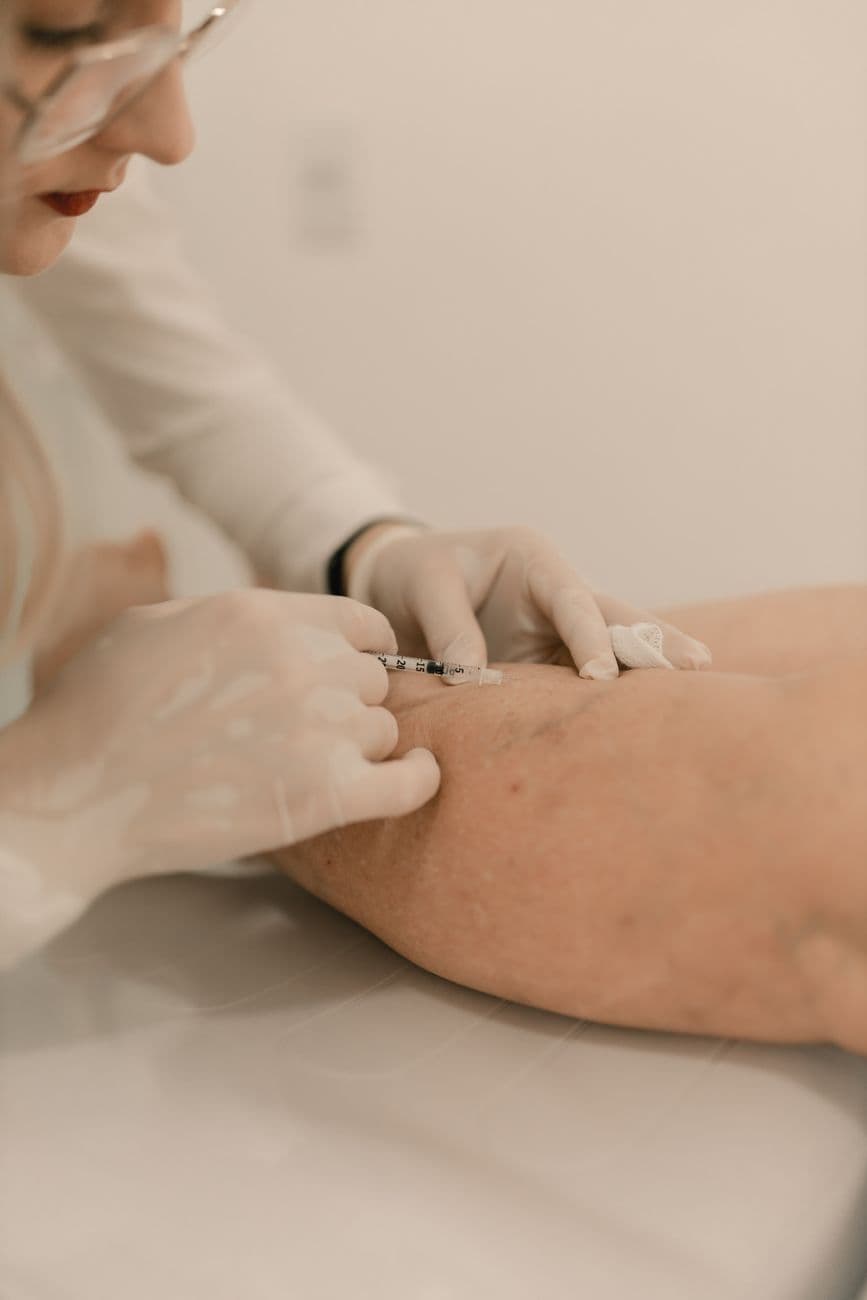
- Sclerotherapy: This method involves injecting a specific solution (sclerosant) directly into the visible vein. The sclerosant irritates the lining of the vein, causing it to become inflamed and ultimately collapse and fade away. When done in a clinical setting like Sherry Cosmetic Clinic, this procedure is carefully managed to ensure thorough coverage and optimal results.
- Combination Therapy: Often, the best outcomes are achieved by combining methods. For example, a combination of laser therapy followed by topical treatments or specialized skin tightening can provide the most comprehensive improvement in both vein visibility and overall skin resilience.
It is crucial to discuss which method is safest and most appropriate for your unique facial anatomy with an expert provider.
Are Vascular Treatments for the Face Painful?
Pain perception is highly subjective, but it is important to manage expectations regarding discomfort during treatment. Generally, modern vascular treatments are designed to be performed in a controlled clinical environment using techniques that minimize pain.
- During Treatment: Patients often report feeling a sensation of heat, pressure, or occasional stinging rather than sharp, severe pain. The medical spa setting allows practitioners to utilize topical numbing agents or local anesthetics before and during the procedure to significantly enhance comfort.
- Post-Treatment Care: Immediate aftercare is key. Mild redness, slight bruising (which is expected), and sensitivity are common in the days following treatment as the vessels heal. Following the recommended post-treatment regimen promptly helps mitigate discomfort and speeds up the healing process.
The goal of skilled practitioners at Sherry Cosmetic Clinic is to make the experience as comfortable as possible while achieving maximum clinical efficacy.
What Should I Expect After My Treatment?
Recovery expectations vary depending on the specific technology used (laser, sclerosant, etc.) and your individual skin type. However, general post-treatment care involves several predictable stages:
- Immediate Phase (Hours 0-24): You may experience mild redness and swelling exactly where the vessels were treated. It is vital to follow all aftercare instructions regarding cleansing and avoiding extreme heat sources.
- Early Healing Phase (Days 1-3): The initial flushing or bruising will likely be present. Keeping the area clean and using prescribed soothing agents can help manage these symptoms.
- Maturation Phase (Weeks 2-4+): Visible results—the fading of redness and veins—are a gradual process. True improvement in skin tone and vascularity takes time for the body to fully absorb the treated vessels and restore natural collagen levels.
Adherence to aftercare is not just recommended; it is critical for achieving the best possible outcome and minimizing complications.
How Long Does It Take To See Results?
Patience is a necessary component of treating chronic cosmetic concerns like facial redness and spider veins, as skin healing and vascular reduction are biological processes that take time.
- Immediate Improvement: You may notice a slight reduction in highly visible, superficial vessels immediately following the procedure.
- Initial Visible Change (Weeks 2-4): Most patients begin noticing a noticeable softening or fading of the most prominent veins within the first month.
- Optimal Results (Months 3-): Continued improvement and stabilization of skin tone can be expected over several months as the body completes the healing process.
Frequently Asked Questions
What are the main causes of facial redness and spider veins?
Facial redness and spider veins can result from vascular issues, sun damage, genetics, inflammation, skin conditions, and lifestyle factors.
How do vascular treatments work to improve facial appearance?
Vascular treatments aim to occlude small blood vessels using methods like lasers or sclerotherapy, rerouting blood flow through healthier vessels.
Are vascular treatments for the face painful?
Pain is minimal and managed with numbing agents; patients typically feel heat, pressure, or mild stinging.
What should I expect after a vascular treatment?
Expect mild redness and swelling initially, followed by gradual fading of veins over weeks to months.
How long does it take to see results from vascular treatments?
Immediate improvement may be noticed, with significant changes visible within 2-4 weeks and optimal results over several months.
Related Services
Ready to book? Book an appointment with Sherry Cosmetic Clinic in Richmond Hill, or get in touch if you have a question first.