Key Takeaways
- IPL targets pigments like melanin and hemoglobin to improve skin tone.
- It addresses multiple concerns such as pigmentation, redness, and vascular issues.
- Results are cumulative and require multiple sessions for optimal improvement.
A Photo Facial, often utilizing Intense Pulsed Light (IPL), is a non-invasive treatment that uses broad-spectrum light waves to target specific pigments within the skin. This energy causes superficial damage to unwanted pigmentation—such as sun spots, visible blood vessels, and minor discoloration—allowing the body’s natural healing processes to gradually eliminate these issues over time.
What exactly is an IPL Photo Facial?
The Photo Facial, when referring to treatments utilizing Intense Pulsed Light (IPL), is a sophisticated aesthetic treatment designed to address multiple skin concerns simultaneously using light energy. It is different from traditional lasers because it emits a wide spectrum of wavelengths rather than a single focused wavelength.
Instead of delivering highly concentrated energy to one specific target, IPL diffuses its light across the treated area. This broad-spectrum light is designed to be absorbed by natural chromophores in the skin—the pigments that give color to your skin. The primary targets include:
- Melanin (pigment responsible for freckles, sun spots, and hyperpigmentation).
- Hemoglobin (the pigment found in blood, visible as redness or broken capillaries).
- Some forms of subcutaneous fat or redness associated with inflammation.
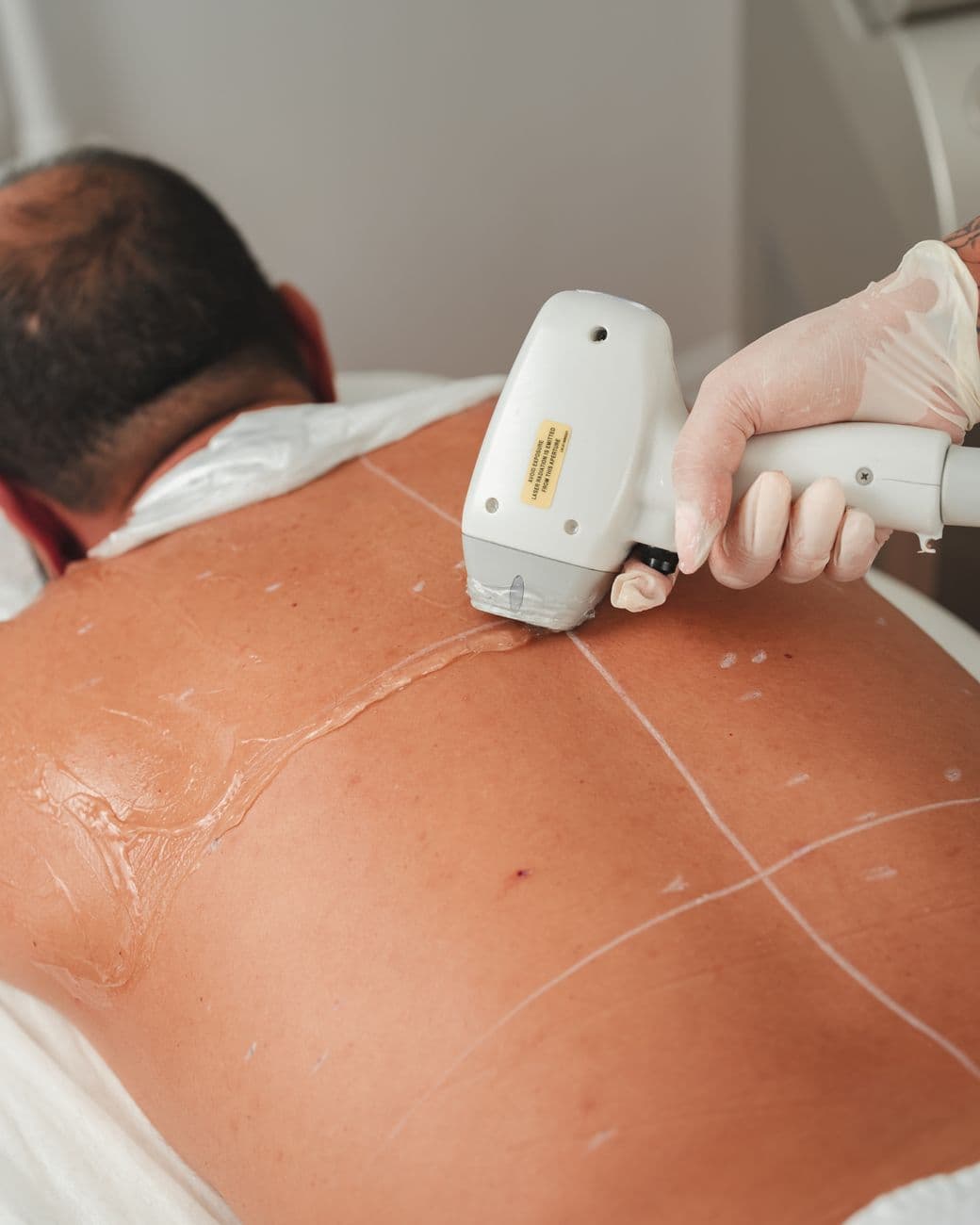
The process itself is non-surgical and generally performed in a clinical setting, ensuring the appropriate energy levels are used for maximum safety and efficacy. Because the treatment stimulates the skin’s natural healing cycle, it works to improve overall skin texture and tone over several sessions.
What skin concerns can IPL address?
IPL treatments are versatile and are commonly recommended by skilled practitioners to treat a variety of visible imperfections. It is crucial to understand that while effective for certain issues, results depend heavily on your individual skin type and the severity of the concern.
- Sun Damage and Pigmentation: IPL is highly effective at targeting superficial pigmentations like sun spots (solar lentigines), freckles, and general uneven skin tone caused by years of UV exposure. The light energy helps break down these visible pigments.
- Redness and Broken Capillaries: For individuals who struggle with persistent facial redness, visible broken capillaries (telangiectasias), or rosacea-related flushing, IPL can help target the hemoglobin in the blood vessels. By reducing the pigment associated with the vessels, it helps improve the overall vascular appearance of the skin.
- Minor Acne Scars and Texture Issues: While not a primary treatment for deep scarring, improved general skin tone and reduced inflammation resulting from breakouts can lead to an overall improvement in texture. Addressing the underlying redness associated with active or past acne is key.
- Vascular Concerns: It helps improve the appearance of small, superficial blood vessels that are often difficult to treat with topical creams alone.
It is important to note that IPL should always be customized for your specific needs. A consultation at a clinic like Sherry Cosmetic Clinic allows a professional to assess which wavelengths and energy levels will provide the safest and most effective treatment plan tailored just for you.
How does the IPL treatment actually work on my skin?
The science behind the Photo Facial is based on controlled photothermal injury, meaning that heat energy is precisely delivered to pigmented targets beneath the skin's surface. Understanding the mechanism helps set realistic expectations for results.
When the IPL device emits its light pulses, these wavelengths travel through the outer layers of your skin until they encounter a chromophore—a pigment it can be absorbed by.
- Absorption: The targeted pigments (melanin or hemoglobin) absorb the specific light energy frequencies used by the machine.
- Heat Generation: This absorption process causes a localized increase in heat within and around the pigmented target, much like how melanin absorbs UV rays and generates heat.
- Damage Initiation: The generated heat damages the pigment structure. For example, when targeting sun spots, the heat breaks down the encapsulated pigment granules.
- Healing Response (The Key): The skin does not instantly vanish these pigments; instead, the damage initiates a natural healing cascade. The body recognizes the damaged material and begins to slowly process and shed it over weeks and months through normal cellular turnover.
This mechanism is why immediate dramatic results are rare. The treatment merely initiates the fading process, allowing your skin's innate regenerative abilities to do the heavy lifting.
What should I expect immediately after the procedure?
Following a Photo Facial, you may experience mild redness or pinkness in the treated areas. This is generally considered normal and is related to the light energy stimulating circulation and initiating the healing response. Some patients report feeling some warmth during the treatment. Professional care ensures that your immediate post-treatment recovery plan minimizes discomfort and aids rapid healing.
How long do I need to see results from IPL?
IPL treatments are not a "quick fix" in the sense of instant removal; rather, they are cumulative treatments that work with your body's natural exfoliation cycle.
- Initial Improvement: Many patients notice an improvement in overall skin tone and reduced redness within a few weeks after the initial session.
- Optimal Results: To achieve the most significant and lasting improvements for pigmentation or vascular concerns, a series of sessions is usually necessary. The frequency of these sessions—whether every 3 to 6 weeks—is determined by your skin's healing rate and the severity of your original concerns.
- Maintenance: Once major issues are resolved, treatments may transition into a maintenance cycle to prevent signs of aging or sun damage from returning.
Consistency is key. Skipping sessions can slow down the overall process and delay achieving peak results. A comprehensive consultation with an expert at
Frequently Asked Questions
What is Intense Pulsed Light (IPL) used for in a Photo Facial?
IPL targets specific pigments like melanin and hemoglobin to reduce pigmentation, redness, and minor skin discoloration.
How does IPL differ from traditional lasers?
IPL emits a broad spectrum of wavelengths rather than a single focused wavelength, allowing it to address multiple skin concerns simultaneously.
What skin issues can IPL treat?
IPL is effective for sun damage, pigmentation, redness, broken capillaries, minor acne scars, and vascular concerns.
How does the IPL treatment work on the skin?
IPL uses controlled photothermal injury to deliver heat energy to pigments, initiating a natural healing process that fades unwanted pigmentation over time.
What should I expect immediately after an IPL treatment?
You may experience mild redness or pinkness, which is normal as the skin begins its healing response.
How long does it take to see results from IPL treatments?
Initial improvements can be seen within weeks, but optimal results require multiple sessions over several months.
Related Services
Ready to book? Book an appointment with Sherry Cosmetic Clinic in Richmond Hill, or get in touch if you have a question first.