Key Takeaways
- Professional skin tag removal is safer and more effective than DIY methods.
- Common in-clinic methods include cryotherapy, excision, and electrocautery.
- Recovery from professional removal is quick with proper aftercare.
- Consulting a medical professional ensures safe and precise treatment.
Professional removal of skin tags is significantly safer and more effective when performed by a trained medical professional like those at Sherry Cosmetic Clinic. Attempting removal at home increases the risk of infection, bleeding, incomplete removal, and scarring. An in-office visit ensures proper sterile technique, minimizing complications and giving you the best possible outcome for smooth, lasting results.
What exactly are skin tags, and should I bother removing them?
Skin tags (acrochordons) are common, benign growths—meaning they are not cancerous—that typically appear on areas where skin rubs against itself, such as the neck, armpits, and groin. They look like small, soft growths attached by a thin stalk.
While they are harmless from a medical standpoint, many people choose to have them removed due to cosmetic concerns or simply because of how visible they are.
- They are often caused by friction and hormonal changes.
- Most skin tags do not require treatment unless they are causing irritation, bleeding, or if their presence is highly distressing to the patient.
- When considering removal, it is important to understand that a consultation with a qualified practitioner helps determine if removal is necessary and what the best approach will be for your specific situation.
Is it safe to remove a skin tag at home?
While many online resources suggest "natural" or at-home methods, removing skin tags outside of a clinical setting carries significant risks that outweigh any perceived convenience.
The primary dangers associated with DIY removal include:
- Infection: Skin tags are often located in areas where bacteria can thrive (like skin folds). Without sterile tools and proper antiseptic care, the risk of infection is high.
- Bleeding and Trauma: These tags can sometimes be attached to underlying tissue or have a more robust base than they appear. Improper removal techniques can lead to excessive bleeding and deep trauma.
- Incomplete Removal: At-home methods may only sever the tag partially, leading to recurrence or requiring multiple attempts that cause unnecessary distress to the skin.
For these reasons, medical experts universally recommend professional assessment because they are equipped to manage potential complications immediately.
How do in-clinic skin tag removal procedures work?
In a clinical setting, the goal is swift, sterile, and complete removal using methods tailored to the size and location of the tag. The practitioner will first assess the tag's attachment point and tissue type to choose the most appropriate technique.
Common professional methods include:
- Cryotherapy: This involves applying extreme cold (liquid nitrogen) to the tag, which causes it to freeze and eventually fall off. This is generally effective for smaller tags.
- Excision: This is a surgical procedure where the practitioner uses sterile tools (like specialized forceps or scalpels) to carefully cut the tag away at its base. This method provides precise removal, especially for tougher or more deeply attached tags.
- Electrocautery: This technique uses heat and electricity to burn off the tissue, providing both removal and immediate sealing of any minor bleeding.
At Sherry Cosmetic Clinic, medical staff are highly trained in maintaining sterile fields throughout these procedures, ensuring your comfort and safety while achieving optimal results.
What can I expect during an in-office procedure?
The experience is designed to be as minimally invasive and comfortable as possible.
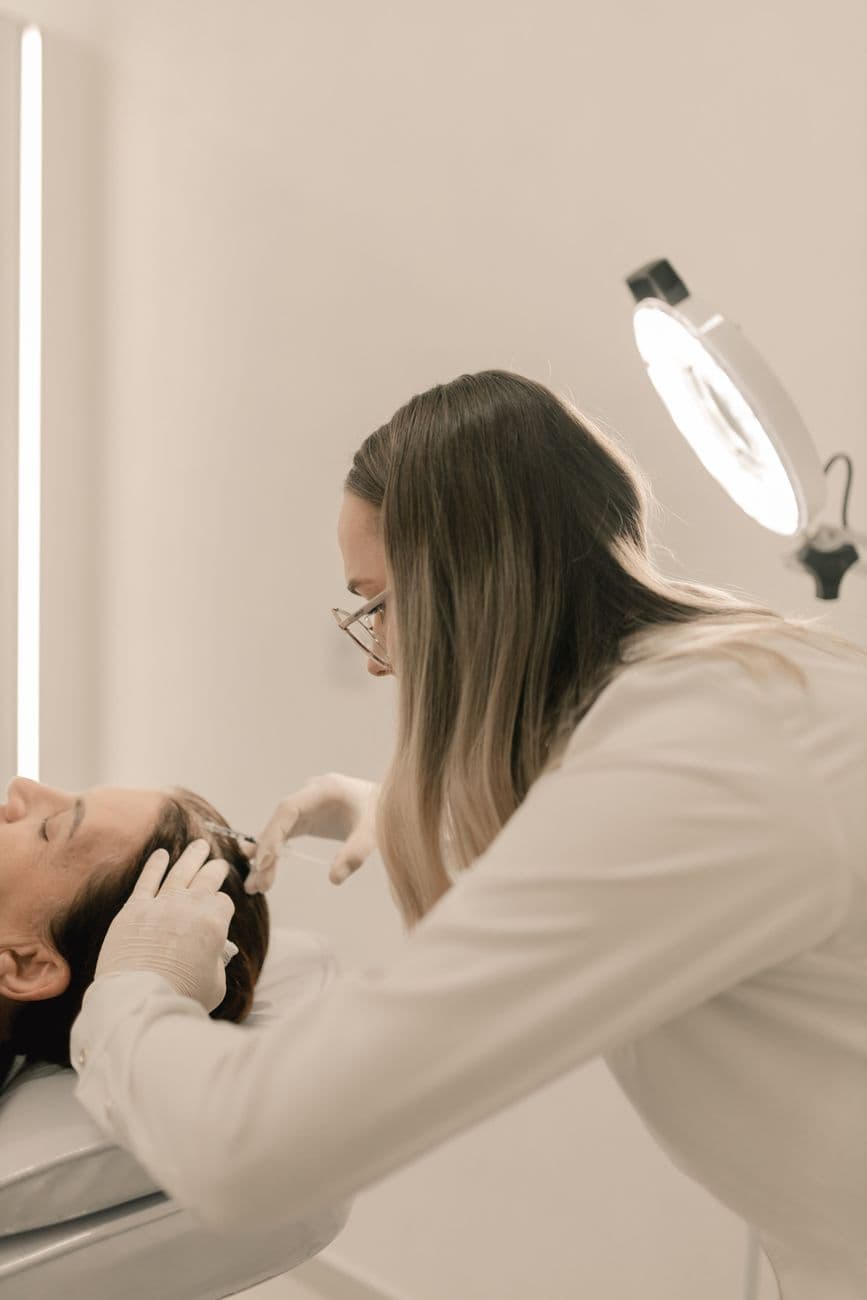
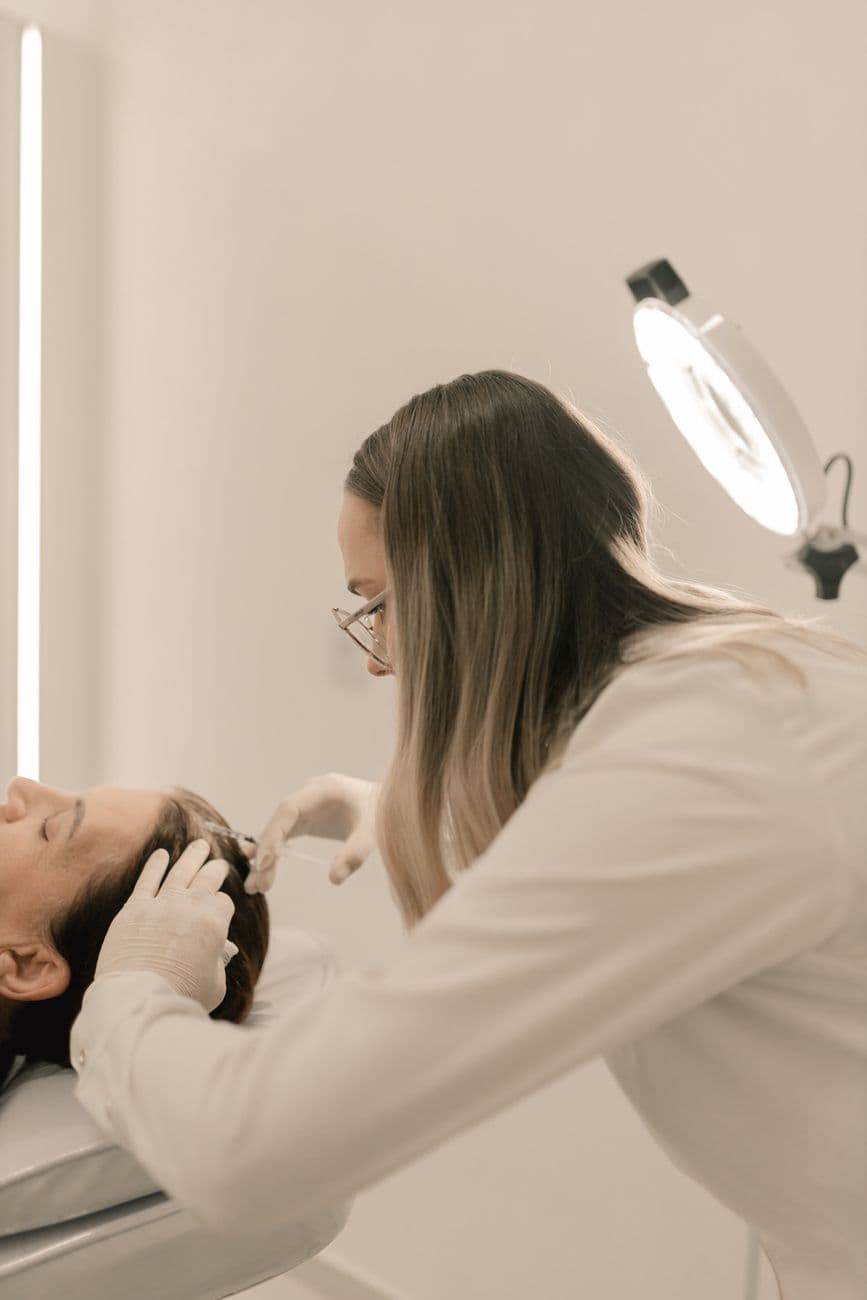
Before the removal, you will receive a thorough consultation where a practitioner will review your medical history, examine the tags, and discuss aftercare expectations. This conversation helps set realistic goals.
During the procedure itself:
- You should be positioned comfortably and draped appropriately for privacy.
- The process is quick—often taking only minutes per tag or area.
- Local numbing cream may be applied beforehand to minimize discomfort during excision or cauterization, though some mild sensation is normal.
- Post-removal, the site will be cleaned, dressed, and you will receive detailed instructions on how to care for it at home.
How long does recovery from skin tag removal take?
Recovery time is generally quite short because the procedure is superficial. However, proper aftercare is key to minimizing scarring and ensuring the best healing outcome.
- Immediate Aftercare: The site may appear red, slightly irritated, or may have minimal minor bleeding that stops quickly with pressure.
- Healing Period: For most individuals, the initial discomfort subsides within a few hours. Minor scabbing or redness can last for several days.
- Scarring Risk: By using professional methods and following aftercare instructions diligently, the risk of noticeable scarring is significantly reduced compared to attempting removal at home.
Adhering strictly to the post-procedure care guidelines provided by your medical spa visit is crucial for optimal healing.
Choosing a qualified facility in the Richmond Hill area, such as Sherry Cosmetic Clinic, ensures that every step—from diagnosis to removal and follow-up—is handled with expertise and sterile precision. While skin tags are common and usually benign, professional assessment provides peace of mind and dramatically improves safety outcomes. By trusting certified experts for your skincare needs, you ensure the safest and most effective path toward clearer, healthier skin.
Frequently Asked Questions
What are skin tags and why might someone want to remove them?
Skin tags are benign growths that appear in areas where skin rubs against itself. They are harmless but may be removed for cosmetic reasons or if they cause irritation.
Are there risks associated with removing skin tags at home?
Yes, DIY removal can lead to infection, bleeding, trauma, and incomplete removal, making professional treatment safer.
What methods do clinics use for skin tag removal?
Clinics use cryotherapy, excision, and electrocautery for safe and effective removal of skin tags.
How long is the recovery period after professional skin tag removal?
Recovery is typically short with minimal discomfort. Proper aftercare helps ensure quick healing and reduces scarring risk.
Related Services
Ready to book? Book an appointment with Sherry Cosmetic Clinic in Richmond Hill, or get in touch if you have a question first.