Key Takeaways
- Microneedling stimulates collagen production to improve acne scars.
- Results are cumulative, requiring multiple sessions over several months.
- Recovery involves redness and sensitivity, with strict aftercare needed.
If acne scars remain visible even after breakouts have cleared, microneedling can stimulate collagen production deep within the skin layers to improve texture and minimize the appearance of these marks. This minimally invasive treatment gently promotes healing, encouraging the skin to rebuild itself with a smoother, firmer surface.
What Exactly Is Microneedling for Acne Scars?
Microneedling is a popular and highly effective cosmetic procedure that utilizes fine, sterile needles to create controlled micro-injuries across the skin’s surface. While it might sound counterintuitive—creating tiny wounds to improve skin—the process is designed to trigger the body's natural wound-healing response. When the skin heals from these microscopic punctures, it does so by producing new collagen and elastin.
For those struggling with acne scars, this controlled injury stimulates a deep remodeling process. The goal is not just to smooth the top layer of the skin, but to rebuild the underlying dermal structures that have been compromised by severe breakouts or cystic acne. Over time, consistent treatment can help fill in atrophic (depressed) scars and improve overall skin tone and texture.
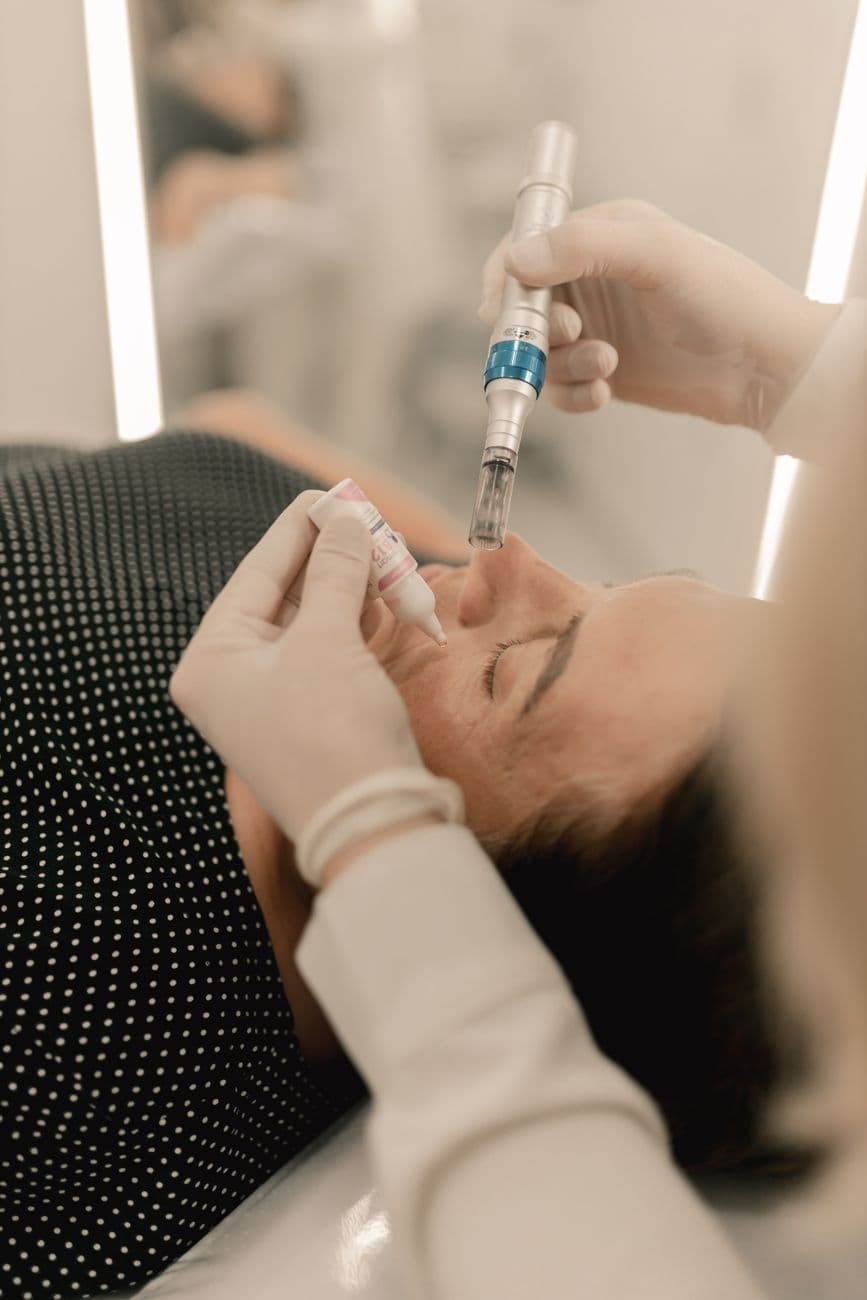
The procedure itself is generally performed with a specialized device called a dermaroller or dermapen, which allows for precise depth control. The exact settings used are tailored to the severity of your scarring and the condition of your skin, ensuring maximum effectiveness while minimizing discomfort.
How Does Microneedling Specifically Treat Acne Scars?
Acne scars are not typically surface blemishes; they are changes in the structural integrity of the dermis. They can manifest in several forms, including:
- Icepick scars: Deep, narrow, and sharply angled depressions that look like small tunnels.
- Boxcar scars: Broad, deep, and straight-sided indentations.
- Rolling scars: Shallower, wide depressions that give the skin a somewhat wavy or undulating appearance.
Microneedling addresses these structural issues through several biological mechanisms:
Collagen Induction Therapy (CIT): This is the core principle of the treatment. The controlled injury signals to fibroblasts—the cells responsible for generating collagen—that the skin needs rebuilding. They respond by producing fresh, organized bundles of collagen and elastin, which gradually lift and fill the scarred areas over subsequent weeks and months.
Improved Blood Flow: The process stimulates increased circulation (vasodilation) to the treated area. Better blood flow means more oxygen and nutrients reaching the damaged tissue, accelerating the healing process.
Epidermal Renewal: Microneedling encourages faster turnover of skin cells. By promoting the growth of new, healthy epidermal layers, it improves overall skin tone and texture, making scars less noticeable.
At Sherry Cosmetic Clinic, we take time to assess the specific type and depth of your scarring to ensure that the treatment plan is customized for optimal results.
Is Microneedling Safe When Done by a Professional?
When performed in a sterile medical environment by trained professionals, microneedling is considered safe. The controlled nature of the procedure means the needles are used only on the target skin areas, minimizing risk. However, like any invasive cosmetic treatment, there is a learning curve and adherence to aftercare guidelines is crucial.
The primary risks associated with proper care include temporary redness, swelling, and mild bruising, which are normal parts of the healing process. Any signs of infection, excessive bleeding, or unusual skin changes must be immediately reported to your practitioner. Never attempt this treatment at home without explicit guidance from a qualified dermatologist or medical aesthetician.
What Kind of Skin Results Can I Expect?
The results achieved through microneedling are cumulative and require patience. It is crucial to understand that acne scarring is a deep dermal issue, meaning that improvement happens gradually over weeks and months, not instantly.
Expected Improvements Include:
- Reduced Scar Depth: The overall appearance of depressed scars (icepick, boxcar) can be significantly lessened as collagen fills the missing volume.
- Improved Texture: The skin surface will feel noticeably smoother to the touch, reducing the 'rough' feeling often associated with severe scarring.
- Enhanced Tone and Elasticity: As collagen is rebuilt, the skin gains firmness and a more youthful elasticity.
- Reduced Redness/Discoloration: While not always eliminating hyperpigmentation entirely, improved circulation and cell turnover can help fade post-inflammatory erythema (red marks).
It is important to set realistic expectations. Microneedling is an excellent tool for improving scars, but it is rarely a one-session "cure." A structured series of treatments combined with diligent at-home care provides the best pathway toward significant skin transformation.
How Long Does the Treatment Last and How Many Sessions Do I Need?
The treatment session itself is typically relatively quick—often lasting anywhere from 30 to 60 minutes, depending on the size of the area being treated (e.g., small patches versus an entire jawline).
However, when discussing the results, the timeline is much longer:
Immediate Aftercare: You may experience redness and sensitivity for a few hours after your session. Following post-procedure instructions meticulously (especially regarding cleansing and moisturizing) is vital for successful healing.
Initial Improvement (Weeks 2–4): Many patients notice initial improvements in skin texture, and the discomfort subsides significantly. This marks the beginning of the remodeling process.
Optimal Results (Months 3–6): Full collagen synthesis takes time. Most patients see their best results after completing a recommended course of treatments over several months. A typical treatment plan might involve 4 to 6 sessions spaced 2 to 4 weeks apart, though your practitioner will determine the precise interval based on your skin’s healing capacity and scarring severity.
What Should I Expect After Microneedling?
Understanding the recovery process helps manage expectations and anxiety about the procedure. Since microneedling is designed to stimulate deep healing, there is a noticeable period of active repair afterward.
Immediate Post-Treatment:
- Redness and Pinkness: This is normal and often improves dramatically within 24–72 hours.
- Mild Swelling: Minimal swelling might occur in the treated area.
- Sensitivity: The skin may feel tender or tight for the first few days.
During Healing:
- Aftercare Adherence: Strict adherence to aftercare—which often includes specialized serums, gentle cleansing, and avoiding excessive sun exposure—is non-negotiable.
- Sun Protection: Daily use of a high SPF sunscreen is critical during and for months following the treatment to prevent post-inflammatory hyperpigmentation (PIH).
By adhering to the prescribed aftercare protocol, you support the body’s natural ability to heal efficiently and minimize adverse reactions. When considering treatments in the greater Toronto area, choosing a clinic like Sherry Cosmetic Clinic that emphasizes detailed patient education is key to a smooth recovery.
What Should I Prepare for Microneedling?
Preparation involves both physical readiness and mental preparation regarding commitment to the process.
Pre-Treatment Skin Care:
- Consultation: Always begin with an in-depth consultation. The medical team will assess your skin type, scarring pattern (are they atrophic, edematous, etc.), and overall health to determine if microneedling is appropriate for you.
- Medication Review: Inform your practitioner of any medications or supplements you are currently taking, as some may affect healing or blood clotting.
Commitment to Aftercare:
- The most critical preparation is understanding that the treatment is only half the battle; aftercare is the other half. You must be prepared to follow all post-treatment instructions—including gentle cleansing routines and meticulous sun avoidance—to maximize collagen production.
- Be ready for a series of treatments, not just one. Viewing this as a journey toward gradual improvement rather than a single fix helps manage expectations.
Does Microneedling Work Better with Other Treatments?
Microneedling can be effectively combined with other treatments such as RF radio frequency and dermal fillers to enhance results.
Frequently Asked Questions
What is microneedling, and how does it help with acne scars?
Microneedling is a cosmetic procedure using fine needles to create micro-injuries on the skin, stimulating collagen production to improve texture and minimize acne scars.
How many microneedling sessions are typically needed for noticeable results?
Most patients require 4 to 6 sessions spaced 2 to 4 weeks apart for optimal results, with improvements seen over several months.
Is microneedling safe and what are the potential side effects?
When performed by professionals in a sterile environment, microneedling is safe. Common side effects include temporary redness, swelling, and mild bruising.
What should I expect during the recovery period after microneedling?
Recovery involves redness, mild swelling, and sensitivity for a few days. Adhering to aftercare instructions is crucial for healing.
Can microneedling be combined with other treatments for better results?
Yes, microneedling can be combined with treatments like RF radio frequency and dermal fillers to enhance outcomes.
Related Services
Ready to book? Book an appointment with Sherry Cosmetic Clinic in Richmond Hill, or get in touch if you have a question first.