Key Takeaways
- Microneedling stimulates collagen and elastin production for improved skin texture.
- Effective for treating acne scars, fine lines, wrinkles, and texture irregularities.
- Requires multiple sessions for optimal results, with maintenance treatments recommended.
If you are concerned about texture irregularities, mild scarring, or signs of aging that persist even after other treatments, microneedling is a powerful procedural therapy. This treatment stimulates controlled micro-injuries across the skin's surface to initiate the body’s natural healing cascade, promoting significant improvements in collagen and elastin production.
What Exactly Is Microneedling?
Microneedling, also known by commercial names like dermarolling or simply skin rejuvenation, is a minimally invasive procedure that involves creating controlled micro-punctures into the skin's outer layers (the dermis). These microscopic injuries are not meant to cause trauma but rather to stimulate the body’s innate wound-healing mechanisms.
When the needles penetrate the skin, they trigger a cascade of biological responses. The body responds to this controlled injury by producing new collagen and elastin—two critical structural proteins that give skin its youthful firmness and resilience. Over time, this process leads to measurable improvements in overall skin quality, texture, and appearance.
The concept is similar to how natural healing works: minor wounds trigger intense regeneration. By doing this process in a controlled medical spa environment, we can optimize the body’s repair cycle for optimal cosmetic results.
What Skin Concerns Can Microneedling Treat?
Microneedling is highly versatile and addresses concerns ranging from mild surface texture issues to deeper skin remodeling needs. Because it stimulates generalized collagen production, its benefits are broad.
- Acne Scars: It is particularly effective for improving the appearance of atrophic (sunken) acne scars by stimulating deep dermal layers and encouraging scar tissue remodeling.
- Fine Lines and Wrinkles: By boosting collagen and elastin, microneedling helps to plump the skin matrix, softening the appearance of fine lines, especially those caused by dehydration or loss of structural proteins.
- Texture Irregularities: It can significantly improve overall skin texture, making the skin feel smoother and more uniform. This is helpful for patients with generalized roughness or congestion.
- Stretch Marks (Striae): While results vary, microneedling can help promote dermal remodeling in areas affected by stretch marks over time.
- Mild Skin Laxity: By building up the underlying collagen scaffolding, it contributes to a firmer, tighter appearance to the skin.
Does Microneedling Work on All Types of Scarring?
It is important to understand that microneedling works best when addressing surface or mildly sunken scarring. It stimulates the production of new healthy dermal tissue. For deep surgical scars, keloids, or severe tissue loss, a consultation with a board-certified dermatologist is necessary, as other techniques may be required alongside or instead of microneedling.
How Does Microneedling Work Under the Skin?
The mechanism of action revolves entirely around controlled wound healing and neotissue generation.
When the fine needles penetrate the epidermis and upper dermis, they create millions of microscopic channels. These channels act as triggers for the skin's natural repair process.
- Triggering Healing: The body immediately detects these micro-injuries and begins the inflammatory phase of healing.
- Collagen Induction: To close the 'wounds,' fibroblasts (the cells responsible for producing skin structure) are signaled to ramp up production of collagen (Type I, III, and V) and elastin. This process is known as collagen induction therapy.
- Vascularization: The healing process also promotes microcirculation, ensuring the skin receives optimal nutrients necessary for robust regeneration.
The depth of the treatment—controlled by needle length—is crucial to this mechanism. Longer needles target deeper dermal layers, encouraging more profound remodeling and yielding stronger results than treatments that only affect the superficial epidermis. At Sherry Cosmetic Clinic, we customize the needle depth and density based on your specific skin goals and skin type.
How Long Does Microneedling Last?
Microneedling is not a single 'fix,' but rather a regenerative process. The visible improvements are cumulative, meaning that the benefits build up over multiple sessions as your body continues to remodel collagen.
- Initial Improvement: Patients often notice an immediate improvement in skin glow and hydration right after the first session due to the initial healing response.
- Peak Results: Significant textural changes, scar fading, and overall tightening tend to become more apparent after a series of treatments, typically seeing optimal results over 3 to 6 months.
- Maintenance: To maintain the improved collagen levels, many patients benefit from incorporating microneedling into their annual skincare routine.
How Many Sessions Do I Need?
The number of sessions required depends entirely on your skin condition and the severity of the concerns you are treating. There is no universal answer.
- Mild Concerns (e.g., mild texture issues, minor dehydration): A course of 3 to 4 sessions spaced about 3-4 weeks apart may be recommended.
- Moderate Concerns (e.g., noticeable acne scarring, moderate fine lines): A commitment of 6 to 8 sessions over several months is often necessary to stimulate the deep structural changes required for optimal remodeling.
- Severe Concerns: In complex cases involving significant scarring or laxity, a comprehensive treatment plan developed by your provider at Sherry Cosmetic Clinic will be implemented, which may include microneedling combined with other modalities (like PRP injections).
A personalized consultation is mandatory to create a tailored roadmap and set realistic expectations for your skin's potential.
What Should I Expect During the Procedure?
The procedure itself is typically quick and managed in a sterile, professional environment. While it can feel uncomfortable, most patients report that the sensation is manageable.
- Preparation: The treatment begins with thorough cleansing to ensure optimal results and prevent infection.
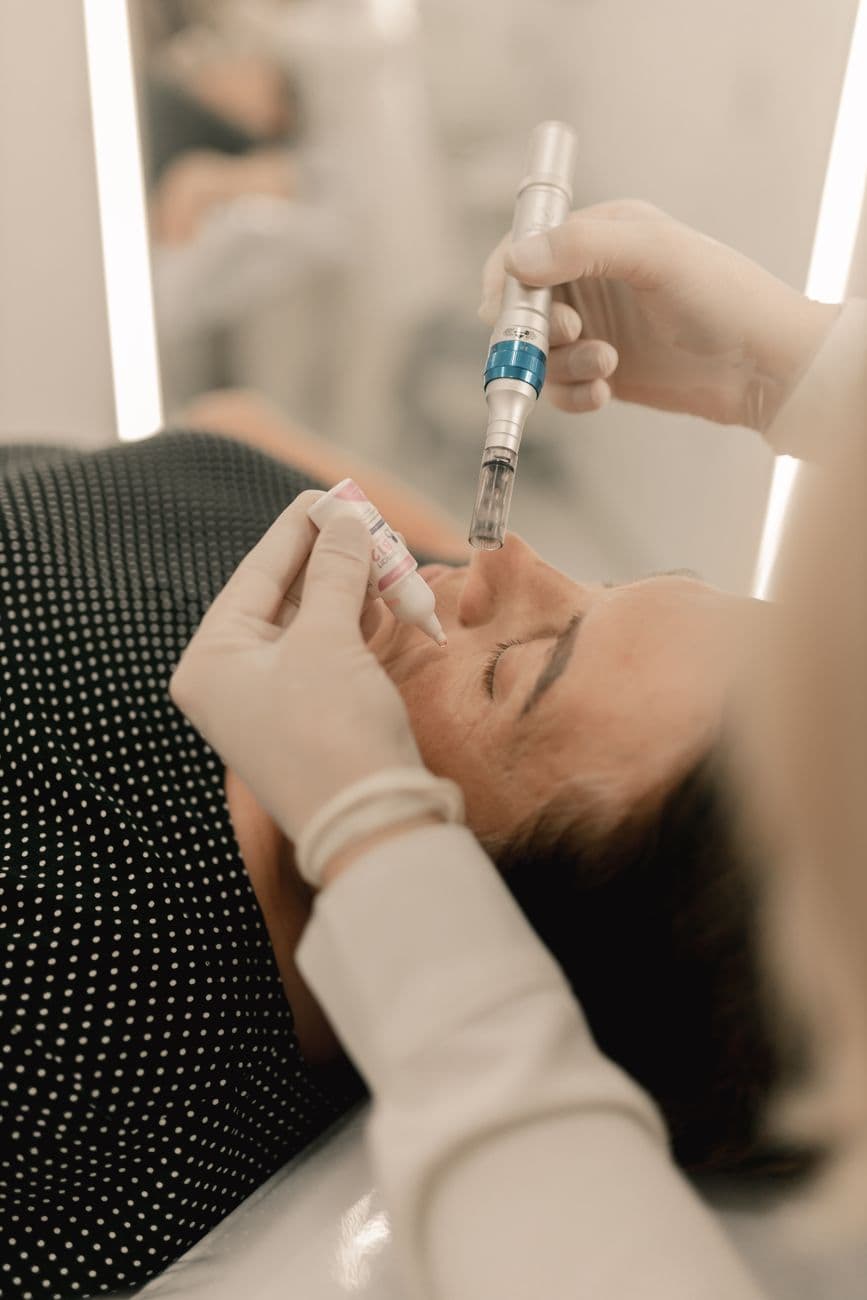
- Procedure: The provider uses a specialized device containing fine needles to create controlled micro-abrasions across the target areas of the skin. You may feel a prickling or scratching sensation, which is expected during the process. Many patients find that numbing creams can help mitigate discomfort.
- Immediate Aftercare: Once complete, your skin will appear slightly red and pink—this is normal and indicates active healing. The provider will apply soothing topical products to support the recovery process.
What Is My Aftercare Routine After Microneedling?
Adhering strictly to the aftercare instructions provided by your medical professional is perhaps the most critical part of the entire journey, as proper care dictates the success of the treatment.
- Immediate Care: For the first 24 to 72 hours, the skin must be kept clean and protected. Avoid harsh scrubs, strong retinoids, or exfoliating acids on the treated area until cleared by your provider.
- Sun Protection: This is non-negotiable. The newly stimulated skin is highly sensitive and vulnerable to UV damage. You must wear a broad-spectrum sunscreen (SPF 30 or higher) daily, even if it is cloudy, for several weeks following treatment. Physical blockers (zinc oxide or titanium dioxide) are often preferred initially.
- Hydration: Gentle, soothing moisturizers designed for compromised skin barriers should be used frequently to promote healing and soothe redness.
- Activity Limitation: Heavy sweating, saunas, and intense workouts may need to be avoided for the first day
Frequently Asked Questions
What is microneedling and how does it work?
Microneedling is a minimally invasive procedure that creates controlled micro-punctures in the skin to stimulate collagen and elastin production, enhancing skin quality and texture.
Which skin concerns can microneedling treat?
Microneedling treats acne scars, fine lines, wrinkles, texture irregularities, stretch marks, and mild skin laxity by promoting collagen production.
How many sessions are typically needed for microneedling?
The number of sessions varies based on the severity of skin concerns, ranging from 3 to 8 sessions over several months.
What should I expect during a microneedling procedure?
The procedure involves using fine needles to create micro-abrasions, typically taking about 30 minutes. It may cause a prickling sensation, but numbing creams can help.
How long does it take to see results from microneedling?
Initial improvements are noticeable right after the first session, with peak results appearing over 3 to 6 months after multiple treatments.
Related Services
Ready to book? Book an appointment with Sherry Cosmetic Clinic in Richmond Hill, or get in touch if you have a question first.