Key Takeaways
- LHR minimizes ingrown hairs by weakening hair follicles.
- It is safe when performed by professionals like Sherry Cosmetic Clinic.
- Best results are seen in areas prone to friction and sweat.
- Aftercare is crucial for minimizing irritation post-treatment.
- Multiple sessions are typically needed for effective results.
Laser Hair Removal for Ingrown Hairs
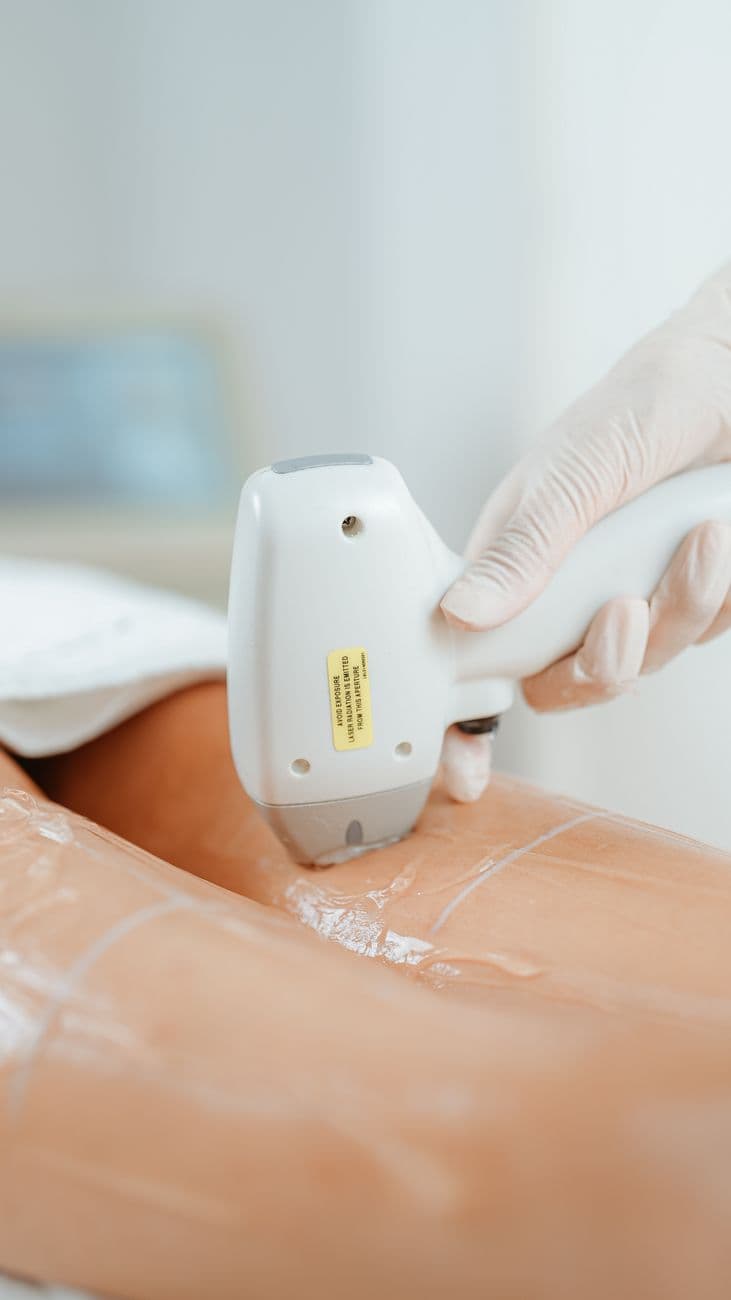
Laser hair removal (LHR) helps minimize the risk of ingrown hairs by significantly weakening and reducing the size and activity of the underlying hair follicles over time. By targeting the root source of the hair cycle, LHR prevents the growth of thick, coarse hairs that are prone to curling back or trapping themselves beneath the skin surface.
Is Laser Hair Removal Safe for Ingrown Hairs?
Yes, when performed by a qualified professional like those at Sherry Cosmetic Clinic, laser hair removal is generally considered safe and an effective treatment option for managing ingrown hairs. It is important to understand that LHR does not guarantee the complete elimination of all ingrown hairs, as these can be influenced by multiple factors—including skin type, hormonal changes, and follicle anatomy. However, it addresses the root cause by targeting the hair itself rather than just treating the symptoms (like inflammation or redness).
The safety of the procedure depends heavily on proper equipment selection, correct laser energy settings based on your specific skin and hair types, and meticulous aftercare following your treatments in Richmond Hill. Before any sessions begin, a comprehensive consultation is necessary to assess your skin’s suitability for laser treatment and to discuss alternative management strategies if certain areas are too sensitive.
How Does Laser Hair Removal Actually Prevent Ingrown Hairs?
Understanding the mechanism behind LHR reveals why it can be so beneficial in managing ingrown hairs. Ingrown hairs occur when a newly grown hair curls back into the skin or grows sideways, preventing it from exiting through the follicle opening. This trapped hair often triggers an inflammatory response, leading to redness, bumps, and sometimes infection.
Targeting the Hair Follicle
LHR does not simply burn the hair above the surface; instead, the laser energy is absorbed by the melanin (pigment) in the hair shaft and travels down to heat and weaken the follicle itself. This process damages the hair root's ability to sustain a strong growth cycle.
Reducing Future Growth Cycles
As the treatment progresses over multiple sessions, the follicles become progressively weaker and less active. Because ingrown hairs are caused by newly grown, vigorous hairs that curl or trap themselves, weakening the overall population of these hairs reduces the likelihood of this problematic cycle repeating. This gradual reduction in hair density is key to long-term management.
Addressing the Root Cause
Unlike methods that only remove the visible hair (such as waxing or threading), LHR addresses the deep, underlying source of the problem—the hair follicle. By diminishing the strength and depth of the follicle, it minimizes the amount of new, problematic growth that can occur.
What Areas Are Best Treated for Ingrown Hairs?
While ingrown hairs can appear anywhere on the body, certain areas are notoriously prone to them due to friction, sweat, and hair density. Treatment planning at Sherry Cosmetic Clinic will always be customized, but these areas frequently benefit from LHR:
- The Bikini Area: This is perhaps the most common area for ingrown hairs, often exacerbated by shaving or waxing techniques that physically disrupt the follicle opening.
- Legs and Underarms: These areas are subject to daily friction and can accumulate hair that tends to curl or become trapped.
- Upper Lip and Chin: While less common than in the bikini area, persistent ingrowing hairs in facial regions may benefit from treatment, depending on skin sensitivity.
It is vital to communicate openly with your technician about where you are experiencing the most issues, allowing them to adjust the laser parameters and technique for optimal comfort and efficacy in that specific zone of the GTA.
What to Expect After LHR When Treating Ingrown Hairs?
The immediate aftermath of LHR generally involves minimal discomfort but requires diligent aftercare to maximize results and prevent secondary skin irritation.
Immediate Post-Treatment
Immediately following your session, you may experience some redness or mild warmth in the treated area, similar to a moderate sunburn. This is normal as the skin recovers from the controlled heat treatment. The technician at Sherry Cosmetic Clinic will provide specific instructions on soothing products to apply and clothing choices to minimize friction.
At-Home Care
The most critical aspect of successful LHR for ingrown hairs happens after you leave the clinic.
- Keep the Area Clean: Gentle cleansing with mild, non-irritating soaps is essential. Avoid harsh scrubs or exfoliation immediately following treatment.
- Moisturize: Applying recommended calming lotions helps soothe the skin and maintain barrier function while the follicles recover.
- Avoid Irritants: For several days, you should avoid tight clothing, excessive sweating (like intense workouts), and any activity that causes friction in the treated zone.
Adhering closely to these aftercare guidelines significantly boosts your body's ability to heal and reduces the risk of infection or inflammation associated with ingrown hairs.
How Many Sessions Do I Need?
The number of sessions required for effective management varies greatly from person to person, depending on your skin’s melanin content, hair thickness, hormonal fluctuations, and how frequently you are prone to ingrown hairs. Because LHR works by gradually weakening the entire population of follicles, it is a process that requires time.
Generally speaking, clinics recommend a series of sessions spaced several weeks apart (the exact interval will be determined after your initial consultation). The goal isn't elimination in one go; it’s consistent depletion of the hair growth cycle. Following the recommended course of care and adhering to follow-
Frequently Asked Questions
Is laser hair removal safe for treating ingrown hairs?
Yes, when performed by a qualified professional like those at Sherry Cosmetic Clinic, it is generally considered safe and effective for managing ingrown hairs.
How does laser hair removal prevent ingrown hairs?
LHR weakens hair follicles by targeting the melanin in the hair shaft, reducing future growth cycles and minimizing problematic hair growth.
What areas benefit most from laser hair removal for ingrown hairs?
Areas prone to friction and sweat, such as the bikini area, legs, underarms, and upper lip/chin, often benefit most from LHR.
What should I expect after a laser hair removal session?
You may experience redness or mild warmth. Follow aftercare instructions to minimize irritation and maximize results.
How many sessions are needed for effective results?
The number of sessions varies based on individual factors, but a series spaced several weeks apart is typically recommended.
Related Services
Ready to book? Book an appointment with Sherry Cosmetic Clinic in Richmond Hill, or get in touch if you have a question first.