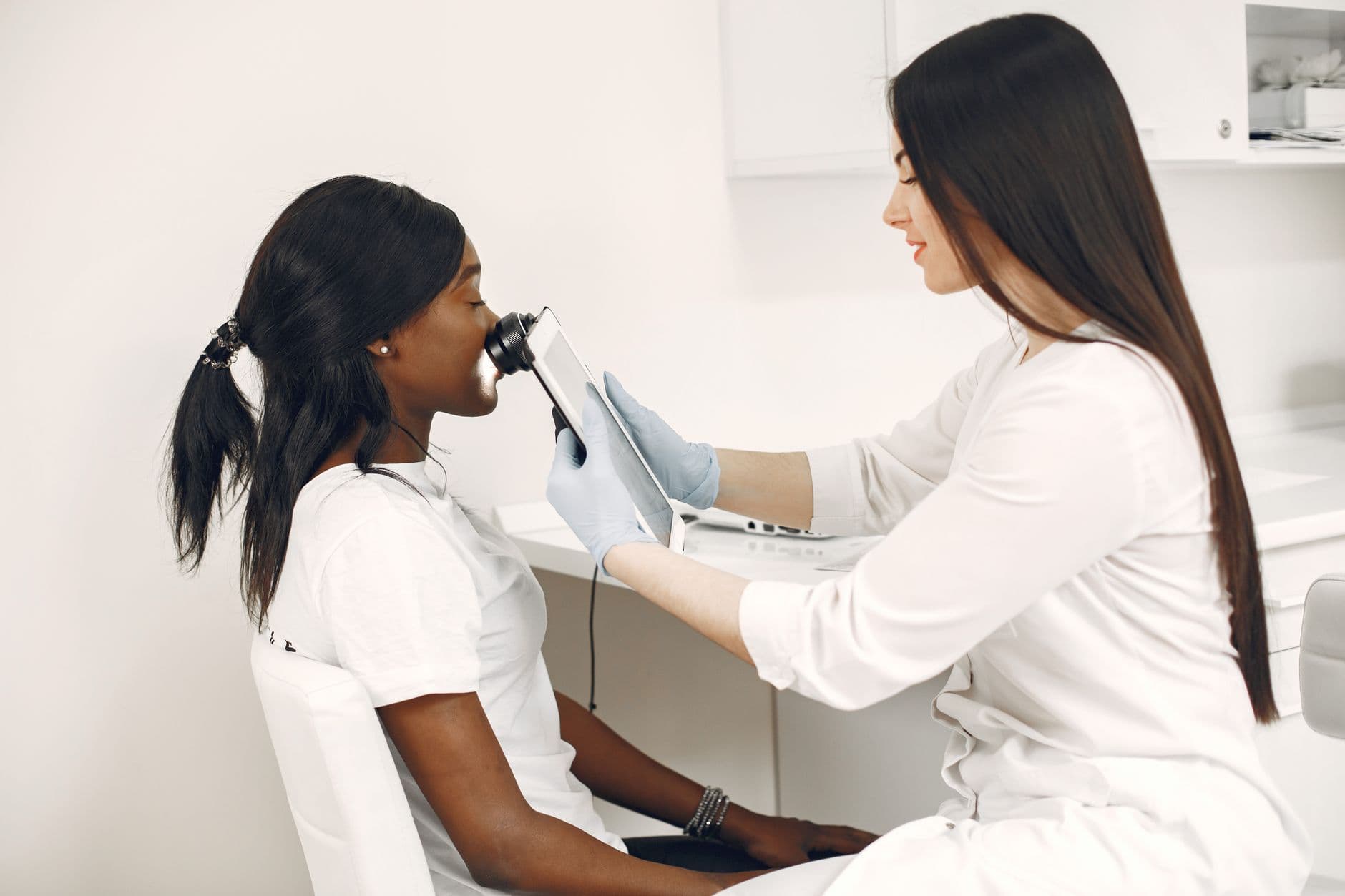
Key Takeaways
- Hyperpigmentation is caused by overactive melanocytes leading to dark patches.
- Treatment options include topical agents, light therapies, and professional procedures.
- Prevention involves sun protection and consistent use of skincare ingredients like Vitamin C and retinoids.
Hyperpigmentation refers to areas of skin that appear darker than the surrounding skin due to an overproduction of melanin pigment. Treatment options are tailored to the underlying cause—whether it's sun damage, hormonal changes, or inflammation—and typically range from topical agents and specialized light therapies to professional in-office treatments designed to gently exfoliate and fade discoloration.
What exactly is hyperpigmentation?
Hyperpigmentation is a common skin condition characterized by visible patches of dark spots, streaks, or overall darkening of the skin. These changes are caused when melanocytes, the cells responsible for producing pigment (melanin), become overactive in certain areas. Melanin acts as natural sun protection, but when its production becomes uneven or excessive, it results in discoloration that can affect both men and women across all ages.
The visible signs of hyperpigmentation vary widely. Some people experience uniform darkening, while others notice distinct spots. Common types include:
- Melasma: Often triggered by hormones and sun exposure, melasma typically appears as symmetrical patches on the face (forehead, cheeks, upper lip).
- Post-Inflammatory Hyperpigmentation (PIH): This is perhaps the most common type, resulting from skin trauma or inflammation. Any condition that causes redness or irritation—such as acne breakouts, eczema flare-ups, or ingrown hairs—can leave behind a dark mark once healed.
- Sun Spots/Liver Spots (Lentigines): These are small, flat, darker spots that accumulate on areas frequently exposed to UV radiation, particularly the face, chest, and hands.
Understanding the root cause is crucial, as the treatment plan must address why the pigment excess occurred.
What causes hyperpigmentation?
The underlying triggers for increased melanin production can be complex and multifactorial. While sun exposure remains one of the most significant culprits, several other factors contribute to pigmentation issues.
- Sun Damage (UV Exposure): Ultraviolet A (UVA) rays penetrate deeper into the skin than UVB rays and are strongly linked to stimulating excessive melanin production. Cumulative lifetime exposure significantly increases the risk and severity of sun spots and melasma.
- Hormonal Fluctuations: Significant shifts in hormone levels, such as those experienced during pregnancy or when starting birth control pills, can trigger or worsen melasma. This link between hormones and pigment is a well-documented area of dermatological concern.
- Inflammation and Trauma: Any injury to the skin—from severe acne breakouts to chemical peels or even aggressive waxing—can cause inflammation. When this inflammation subsides, the healing process can sometimes overshoot, leaving behind hyperpigmentation (PIH).
- Genetics: Some individuals are genetically predisposed to producing more pigment or reacting more intensely to certain triggers than others.
- Medication and Topical Products: Rarely, specific medications or harsh topical ingredients can cause irritation that leads to secondary pigmentation changes.
What are the best non-invasive options for fading dark spots?
For many people looking to address discoloration at home or through gentle clinic visits, treatments focusing on prevention, exfoliation, and pigment inhibition are recommended first. These methods are ideal for maintaining skin health while gradually lightening existing spots.
Topical Skincare Ingredients
The cornerstone of managing pigmentation is consistent use of proven topical ingredients that inhibit melanin production or accelerate cell turnover.
- Vitamin C (L-Ascorbic Acid): This potent antioxidant brightens the skin, helps neutralize free radicals caused by UV exposure, and promotes collagen synthesis, which improves overall skin tone.
- Retinoids (Vitamin A Derivatives): These ingredients boost cellular turnover, forcing the outer layer of skin cells to shed faster. By shedding pigmented cells more quickly, retinoids help prevent dark spots from becoming ingrained.
- Alpha Hydroxy Acids (AHAs) and Beta Hydroxy Acids (BHAs): Glycolic acid (an AHA) and Salicylic acid (a BHA) are chemical exfoliants that gently dissolve the bonds holding dead skin cells together. This process sloughs off the pigmented surface layer, revealing fresher, lighter skin underneath.
- Niacinamide: A form of Vitamin B3, niacinamide is excellent for strengthening the skin barrier and is effective at reducing the transfer of pigment from melanocytes to surrounding skin cells.
Professional Light Therapies
In-office light treatments offer controlled energy delivery to target specific pigmentation concerns.
- Chemical Peels: These involve applying a precisely formulated acid solution (such as lactic, salicylic, or TCA) to loosen and remove the uppermost layers of damaged or pigmented skin. The depth and strength of the peel are customized based on the severity and type of hyperpigmentation.
- Laser Treatments: Certain lasers deliver controlled energy that can break up excess pigment deep within the skin’s layers (a process called photothermolysis). These treatments must be performed by a trained professional to ensure safety and efficacy, especially when treating sensitive areas like the face.
How do I treat melasma specifically?
Melasma requires a multi-faceted approach because its triggers—hormones and sun exposure—are ongoing factors that cannot simply be removed. Treatment is highly customized, requiring patience and consistency.
The Importance of Barrier Support
Before aggressively treating pigmentation, the skin barrier must be stabilized. Irritated or damaged skin will worsen melasma. Consistent use of gentle emollients and professional advice from a provider like Sherry Cosmetic Clinic can help rebuild this protective layer.
Comprehensive Treatment Regimen
Effective management typically combines multiple modalities:
- Strict Sun Protection: This is non-negotiable. Daily use of broad-spectrum SPF 30 or higher, regardless of cloud cover, is the single most effective step in preventing melasma flare-ups.
- Topical Inhibitors: Prescription and high-grade OTC creams containing ingredients like hydroquinone (under medical supervision), tretinoin, azelaic acid, and kojic acid are often used to reduce pigment production.
- In-Office Procedures: Depending on the depth of pigmentation, professional treatments such as low-energy lasers or specialized peels can be used to boost results and manage stubborn spots that topical agents cannot reach alone.
Is at-home care enough for hyperpigmentation?
While diligent at-home care is absolutely essential for maintenance and prevention, it may not be sufficient on its own to correct deep-seated or extensive hyperpigmentation.
At-home routines are best utilized to support the skin barrier, maintain a consistent level of exfoliation, and prevent recurrence. Incorporating quality ingredients like Vitamin C serums and retinoids daily can make a significant difference over months of use.
However, when pigmentation is caused by deep sun damage, hormonal melasma, or severe acne scarring, the process often requires professional intervention. An expert evaluation helps determine if the pigment needs surface exfoliation (peels), deeper energy targeting (lasers), or simply intensive topical support. A consultation at a reputable clinic in Richmond Hill can clarify whether your concern falls into the category of manageable home care or requires advanced clinical treatment.
What should I expect after pigmentation treatments?
Recovery is highly dependent on the type and intensity of the procedure performed, but generally, clients should prepare for some level of downtime.
Immediate Aftercare Concerns
- Redness and Sensitivity: It is common to experience temporary redness, mild swelling, or increased sensitivity immediately following professional peels or laser sessions. This signals that the skin has been successfully stimulated to heal.
- Peeling: Chemical peels will cause controlled peeling over several days. This is normal and indicates that the pigmented outer layers are shedding. Keeping the area clean and moisturized according to post-care instructions
Frequently Asked Questions
What is hyperpigmentation?
Hyperpigmentation is a skin condition where patches appear darker due to excess melanin production, affecting both men and women.
What causes hyperpigmentation?
Causes include sun damage, hormonal changes, inflammation, genetics, and certain medications or products.
How can I treat hyperpigmentation at home?
Use topical ingredients like Vitamin C, retinoids, AHAs/BHAs, and niacinamide to inhibit melanin production and exfoliate the skin.
What professional treatments are available for hyperpigmentation?
Professional options include chemical peels and laser treatments that target pigmentation at different skin depths.
Is at-home care sufficient for treating hyperpigmentation?
While helpful, at-home care may not be enough for deep-seated or extensive hyperpigmentation; professional treatments might be necessary.
Related Services
Ready to book? Book an appointment with Sherry Cosmetic Clinic in Richmond Hill, or get in touch if you have a question first.