Key Takeaways
- Laser hair removal targets and diminishes hair follicles, reducing ingrown hairs.
- It is most effective on dark hair but can benefit lighter hair with consistent sessions.
- Preparation before sessions includes avoiding irritation and sun exposure.
Laser hair removal helps prevent ingrown hairs by targeting and permanently diminishing the hair follicle itself, rather than just treating the visible surface stubble. By reducing the number of active follicles over time, laser treatment lessens the chance that a freshly grown hair will curve back or become trapped beneath the skin's surface—the primary cause of ingrown hairs.
What Are Ingrown Hairs, and Why Should I Care?
Ingrown hairs (or pseudofolliculitis) occur when a hair curls or grows sideways into the surrounding skin rather than exiting cleanly through the pore opening. This trapped hair can trigger an inflammatory response, leading to redness, swelling, pain, and sometimes forming small pustules or cysts that resemble acne breakouts. While they are incredibly common and often harmless, persistent ingrown hairs can be painful, unsightly, and significantly affect confidence.
The root cause is usually mechanical—the hair cannot escape the pore easily. Factors contributing to this include:
- Shaving: This technique cuts the hair at a sharp angle close to the skin surface, often causing the stubble to grow back as a sharp point that may curl.
- Folliculitis: Inflammation of the hair follicle, sometimes caused by bacteria or friction.
- Skin Texture and Pore Size: Certain skin types are more prone to irritation or blockage.
Understanding that ingrown hairs are a symptom of poor hair exit rather than an infection is the first step toward choosing the right long-term solution.
How Does Laser Hair Removal Specifically Treat Ingrown Hairs?
While topical treatments, exfoliation, and careful shaving can manage acute breakouts, laser hair removal addresses the problem at its source: the follicle. This process provides a lasting preventative measure against ingrown hairs because it destroys the entire structure that creates them.
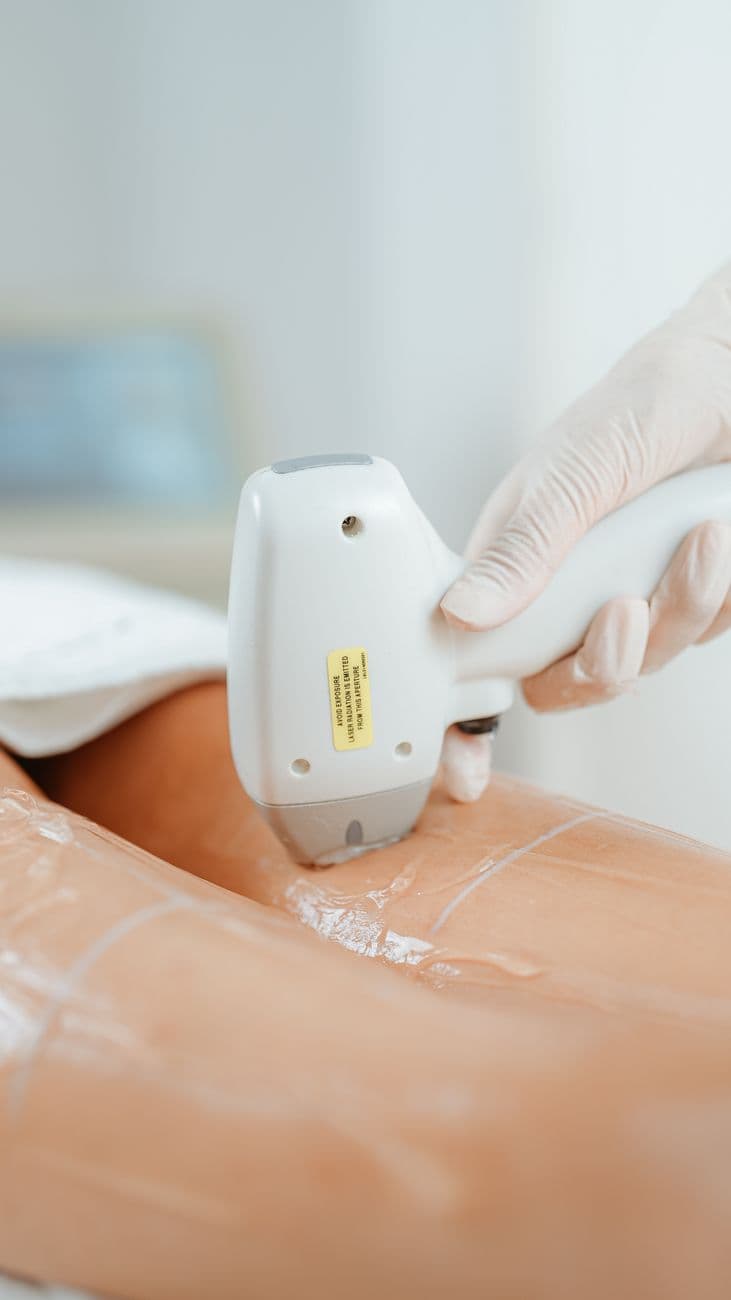
Laser hair removal uses highly focused light energy to target the melanin (pigment) within the hair root. The light is absorbed by the darkest parts of the hair shaft, generating heat that travels down into the follicle and effectively burns or disables it. This process causes the hair growth cycle to slow down and ultimately cease in treated areas.
Unlike shaving, which only removes the visible part of the hair, laser treatment penetrates deep enough to weaken the root itself. By reducing the number of active follicles, you are drastically lowering the reservoir of hairs that could potentially become trapped or inflamed.
Does LHR Target Only Dark Hair?
Laser energy works best on hair with a distinct pigment (melanin) because melanin is what absorbs the light energy. Therefore, the contrast between the hair and the skin helps the laser achieve maximum effect. While darker, thicker hairs respond more predictably to treatment, even lighter colors can benefit from consistent sessions as they are still being broken down over time.
Is LHR a Permanent Cure for Ingrown Hairs?
It is important to use precise language here: Laser hair removal significantly reduces the need for methods that cause ingrown hairs, but it does not guarantee zero regrowth forever. Hair growth cycles can be influenced by hormonal changes, genetics, and other factors. However, consistent treatment dramatically slows down the rate of follicle activity, meaning fewer hairs are growing in the first place.
What Other Treatments Should I Consider with Laser Hair Removal?
For individuals dealing with chronic or severe ingrown hairs, a multi-faceted approach is often recommended by medical professionals. Because LHR addresses the root cause (the active follicle), it works synergistically with other treatments that address the skin surface issues.
- Chemical Exfoliation: Mild chemical peels or at-home exfoliating acids help keep the pore openings clear and reduce the chance of hair getting trapped beneath dead skin cells.
- Creamblances/Extraction: A professional can manually remove impacted hairs, which is crucial between laser sessions to ensure the follicle remains open for maximum light penetration.
- Topical Retinoids: These prescription or over-the-counter retinoids help normalize cell turnover and keep pore linings healthy, reducing blockage risk.
At Sherry Cosmetic Clinic, our practitioners assess your specific skin type and level of concern regarding ingrown hairs to create a customized protocol that combines laser therapy with the most appropriate supportive skincare regimen.
How Does the Laser Process Feel? Is It Painful?
The sensation of laser hair removal is often described as feeling like a very quick snap of a rubber band against the skin, or sometimes a warming sensation. The intensity can vary depending on the specific laser technology used and the area being treated.
Modern medical spas utilize advanced cooling systems built into the devices. These systems are designed to cool the surface of the skin instantly before and during the light pulse. This significantly enhances comfort while still delivering powerful energy deep into the target follicle.
It is highly beneficial to discuss your pain tolerance and any concerns you have with our clinical team beforehand. They can adjust parameters or recommend topical numbing agents if necessary, ensuring a comfortable experience for all patients visiting us in Richmond Hill.
What Should I Expect Before and After My Appointments?
Before Your Session:
Preparation is key to maximizing the effectiveness of laser hair removal. Typically, you will be asked to avoid irritating the treated area (such as harsh scrubbing or exfoliating products) for a few days before your appointment. You should also avoid direct sun exposure in the treated area, as UV rays can increase skin sensitivity and compromise healing.
After Your Session:
Following treatment, the skin may appear slightly pink or flushed, which is normal. Applying recommended post-care products—usually soothing lotions containing ingredients like aloe vera—is vital to calm inflammation and support rapid healing. You should avoid excessive sweating, saunas, and vigorous exercise for 24 to 48 hours to allow the treated follicles time to settle.
How Many Sessions Do I Need to See Results?
The frequency and total number of sessions required are highly individualized,
Frequently Asked Questions
What causes ingrown hairs?
Ingrown hairs occur when a hair curls or grows sideways into the skin, often due to shaving, folliculitis, or certain skin textures.
How does laser hair removal prevent ingrown hairs?
Laser hair removal targets and diminishes hair follicles, reducing the number of active follicles and preventing hairs from becoming trapped.
Is laser hair removal effective for all hair colors?
Laser hair removal is most effective on dark hair due to melanin absorption but can still benefit lighter hair with consistent sessions.
Does laser hair removal cure ingrown hairs permanently?
While it significantly reduces the need for methods causing ingrown hairs, it does not guarantee zero regrowth forever due to factors like hormonal changes.
What should I do before a laser hair removal session?
Avoid irritating the treated area and sun exposure before your session to maximize effectiveness.
Related Services
Ready to book? Book an appointment with Sherry Cosmetic Clinic in Richmond Hill, or get in touch if you have a question first.