Key Takeaways
- First massage at Sherry Cosmetic Clinic is personalized and focused on comfort.
- Safety assessments ensure suitability for individuals with health concerns.
- Massage benefits include improved circulation, nervous system regulation, and increased range of motion.
- Proper preparation and aftercare enhance the massage experience.
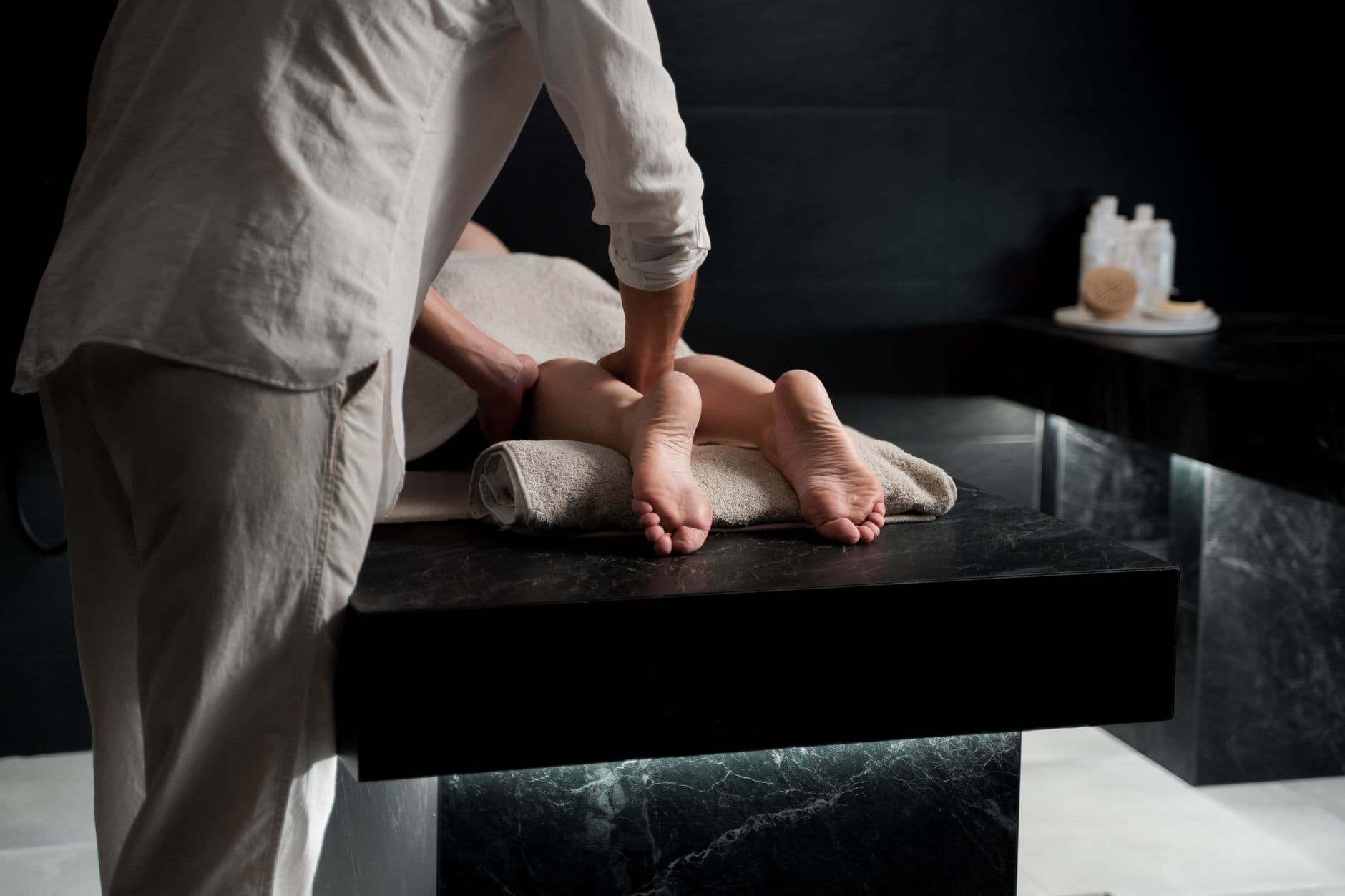
When you arrive for your first massage at Sherry Cosmetic Clinic, expect a guided, personalized experience focused on your specific goals and comfort level. A skilled therapist will begin with a thorough consultation, assessing areas of tension or concern before implementing techniques designed to relax and promote circulation. You should feel supported, comfortable, and informed throughout the entire process.
What Should I Expect During My First Massage Session?
Your initial session is less about intense deep tissue work and more about establishing trust and understanding your body's needs. The therapist will start by conducting a detailed consultation. This discussion covers your medical history, lifestyle habits, areas of perceived tension, and what you hope to achieve—be it general relaxation or specific pain relief.
After the consultation, they will guide you through positioning on the table, ensuring you are comfortable from the outset. They often begin with light, gentle touches to map out where your muscles hold chronic stress or restriction points. This initial phase is crucial because it allows both you and the therapist to gauge the effectiveness of different techniques.
Unlike a casual spa massage, the approach at Sherry Cosmetic Clinic is medically informed. The therapist may discuss anatomical considerations—such as posture issues or specific muscle imbalances related to daily life in the GTA—and tailor the pressure and movements accordingly. You might feel varying levels of sensation: some areas will feel pleasantly warmed, while others may elicit a deep ache that signals releasing tension. It is entirely normal to feel vulnerable or even slightly uncomfortable at first; this simply means the therapist is working on deeply held muscular patterns. Remember that communicating during the session—even if it's just asking for a pause or a change in pressure—is your greatest tool.
Is Massage Therapy Safe For Me, Especially If I Have Health Concerns?
Safety and suitability are paramount when considering massage therapy, and a professional assessment is always required. While massage is generally recognized as safe and beneficial for most people, it is crucial to disclose all pre-existing conditions during your intake consultation.
The therapist at Sherry Cosmetic Clinic is trained to assess potential contraindications. These might include:
- Acute Injuries or Inflammatory Conditions: If you have an area of inflammation, a fresh sprain, or acute pain, deep manipulation should be avoided until cleared by a physician.
- Circulatory Issues: Certain conditions require careful handling to ensure massage does not negatively impact blood flow or restrict movement.
- Skin Conditions: Active rashes, open wounds, or infections mean that the skin must remain intact for safe treatment.
The goal of this assessment is to modify the session plan so that the benefits are maximized while risks are minimized. If you are managing chronic pain (like fibromyalgia or chronic back discomfort), the therapist can utilize specific techniques—such as trigger point therapy or gentle effleurage—that are medically appropriate for your current state. Never assume a massage is automatically safe without speaking to a qualified professional first.
How Does Massage Therapy Help With More Than Just Relaxation?
Many people approach massage solely for stress relief, but its benefits extend into deeper physiological and structural improvements that can impact overall physical function. From a medical spa perspective, we view massage as an adjunctive therapy—meaning it works alongside other health practices to achieve a broader wellness goal.
- Improved Circulation: Massage stimulates the movement of blood and lymphatic fluid. This enhanced circulation helps clear metabolic waste products from the tissues and ensures that oxygen and vital nutrients reach muscle fibers more efficiently.
- Nervous System Regulation: Stress keeps the nervous system in a "fight or flight" state, leading to chronic muscle guarding (where muscles stay tight even when at rest). Massage can help stimulate the parasympathetic nervous system—the body’s natural "rest and digest" mode—which promotes deep physical and mental calm.
- Increased Range of Motion: By addressing muscular adhesions (knots or restrictions), massage helps restore proper length and flexibility to muscle groups, which can alleviate chronic stiffness that affects posture and movement patterns.
These benefits are cumulative. The first session may feel restorative, but consistent practice contributes to building greater resilience in your body's natural recovery processes.
What Makes the Experience Personalized?
What distinguishes a professional experience at Sherry Cosmetic Clinic is the commitment to personalization. We do not offer "one-size-fits-all" treatments. If you are seeking relief from tension headaches, for example, the therapist will focus on specific myofascial release techniques in areas like the neck and shoulders, rather than spending equal time treating your calves. The treatment plan shifts based on the immediate needs of the tissues being worked on.
What Should I Do Before and After My First Massage?
Proper preparation and aftercare are critical components that maximize the benefits of a massage session and ensure you feel optimally recovered.
Preparation: Setting Yourself Up for Success
- Hydrate Well: On the day of your appointment, drink plenty of water. Muscles rely on proper hydration to function optimally, and being well-hydrated supports the circulatory improvements gained during the treatment.
- Eat Lightly: Avoid large, heavy meals right before your session. Low blood sugar or digestive discomfort can distract from the relaxation process and make you feel sluggish. A light snack is usually sufficient.
- Manage Expectations: Remember that a massage requires participation. Be open to communication. If an area hurts too much, let the therapist know so they can adjust the pressure.
Aftercare: Integrating the Benefits at Home
The hours following your first massage are when you cement the benefits gained. The body is in a state of heightened receptivity and release, which requires gentle care.
- Gentle Movement: Avoid immediately returning to strenuous physical activity. Take it easy for the rest of the day; a slow walk or some gentle stretching is ideal.
- Hydration Continues: Continue drinking plenty of water over the next 24 hours. This helps flush out any metabolic waste products that were released from your muscle tissue during the session.
- Listen to Your Body: Some soreness, especially in deep muscles, can be normal after a first session as tissues adapt to deeper work. Light stretching and gentle self-massage (using lotion or oil) are excellent ways to ease this discomfort.
How Often Should I Schedule Follow-Up Sessions?
The optimal frequency of follow-up sessions is highly individualized and depends entirely on your goals and lifestyle factors.
For a first-time client, we typically recommend scheduling follow-ups every 2 to 3 weeks. This interval allows enough time for the acute effects of the massage (deep relaxation, improved circulation) to dissipate slightly, creating a "need" that motivates you to return, while still allowing the body to benefit from regular stimulation.
If your primary goal is chronic pain management or addressing significant muscular imbalances, a more intensive schedule might be recommended initially, but this requires close monitoring by your therapist. For maintenance and general wellness, every 4 to 6 weeks is often sufficient to keep muscles relaxed and circulation optimized. Consistency is the key takeaway; treating it like a foundational part of your self-care routine yields the best results.
A first massage experience at Sherry Cosmetic Clinic should feel educational, safe, and deeply restorative. By understanding the process, communicating openly with your therapist, and practicing mindful aftercare, you can ensure that this initial session sets a positive trajectory toward long-term physical wellness and relaxation right here in Richmond Hill.
Frequently Asked Questions
What should I expect during my first massage session at Sherry Cosmetic Clinic?
Expect a personalized experience with a consultation, gentle techniques, and tailored therapy based on your needs.
Is massage therapy safe for individuals with health concerns?
Safety is paramount; disclose all pre-existing conditions. The therapist assesses contraindications to modify the session plan.
How does massage therapy benefit more than just relaxation?
Massage improves circulation, regulates the nervous system, and increases range of motion, contributing to overall physical function.
What makes the massage experience personalized at Sherry Cosmetic Clinic?
The clinic offers tailored treatments based on individual needs, focusing on specific areas requiring attention.
How should I prepare for my first massage session?
Hydrate well, eat lightly, and manage expectations by communicating with your therapist about comfort levels.
What aftercare is recommended following a massage?
Engage in gentle movement, continue hydration, and listen to your body for any soreness or discomfort.
How often should I schedule follow-up massage sessions?
For first-time clients, 2 to 3 weeks is recommended. Adjust based on goals, with more frequent sessions for chronic pain management.
Related Services
Ready to book? Book an appointment with Sherry Cosmetic Clinic in Richmond Hill, or get in touch if you have a question first.