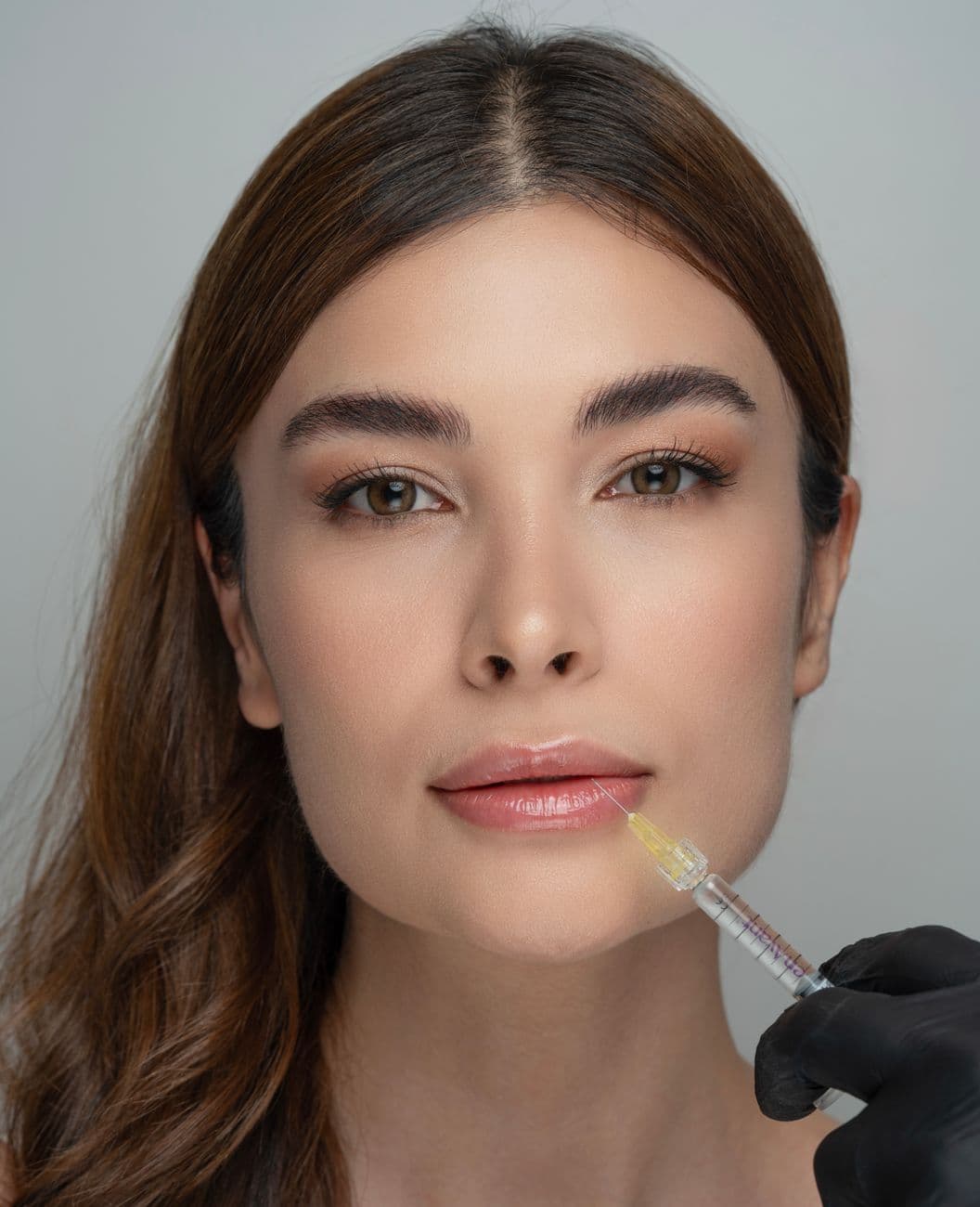
Key Takeaways
- Dermal fillers use biocompatible materials to restore facial volume and smooth lines.
- Results are immediate, with minimal downtime and discomfort.
- Treatment can be customized for specific facial areas like cheeks, lips, and jawline.
Dermal Fillers
Dermal fillers are injectable gels that restore lost facial volume and improve skin texture by providing immediate support to sagging areas and smoothing superficial lines. They work by physically filling gaps beneath the skin, allowing patients in the greater Toronto area to achieve natural-looking rejuvenation without invasive surgery.
What exactly are dermal fillers and how do they work?
Dermal fillers consist of biocompatible materials—often hyaluronic acid (HA)—designed to mimic the substance that naturally degrades over time within the skin. When administered by a qualified professional, these gels act as structural support, physically lifting and filling areas that have lost volume due to natural aging processes. They are not simply "stuffing" up lines; rather, they restore the underlying architecture of the face, which contributes significantly to both youthful contours and overall perceived vitality.
The process is highly localized. Depending on where the filler is placed—for instance, in the cheeks, lips, or temples—it addresses specific structural deficits. By restoring the proper volume and support, fillers help improve the appearance of fine lines that are often simply visible because there is insufficient underlying tissue to cushion them. Because they are injectable and precise, treatments can be tailored exactly to an individual's unique facial structure, ensuring results look natural and balanced.
What specific areas of my face can dermal fillers treat?
The aging process affects different parts of the face unevenly, leading to varying types of volume loss. Fillers are versatile and can address multiple concerns:
- Nasolabial Folds: These are the lines that run from the sides of the nose down toward the corners of the mouth. As we age, gravity and fat pad descent deepen these folds. Injecting filler into the underlying tissue provides immediate lift and plumps the area, making the transition between the cheek and the fold much smoother.
- Marionette Lines: These lines occur beneath the lower lip, often giving a downward-pulling appearance to the mouth. Filler placed along the jawline or deep enough to support the mental crease helps mitigate this downturned look.
- Cheek Volume Loss (Midface Lift): One of the most common areas of concern is the gradual flattening of the cheeks. The natural fat pads in the midface lose volume and lift, leading to a "hollowed" or gaunt appearance. Injecting filler here effectively restores youthful projection and contour.
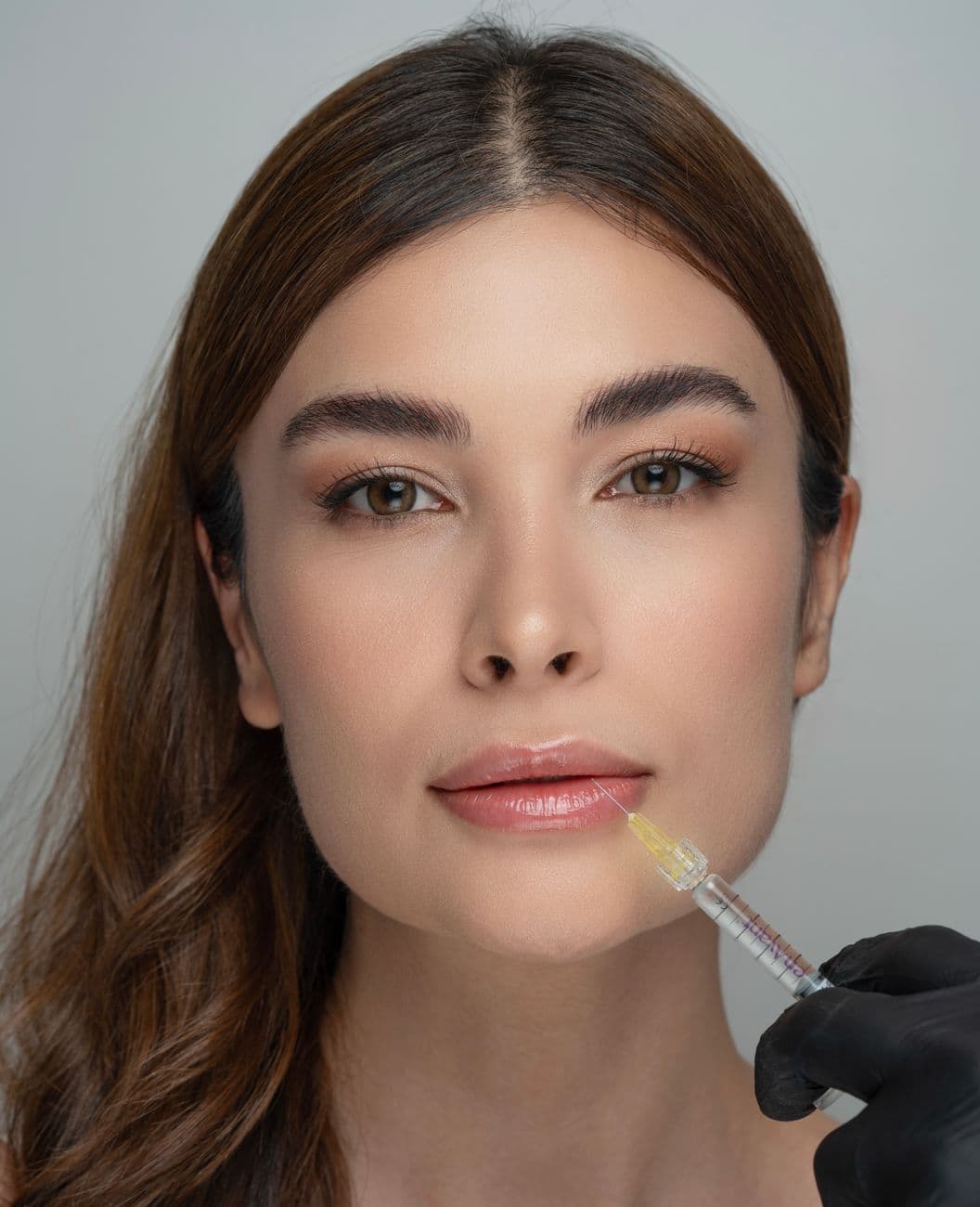
- Lips: Fillers are excellent for enhancing lip fullness (vermilion border definition) while maintaining a natural shape that complements the individual’s unique structure.
- Temples and Jawline: Loss of volume in the temples or softening along the jawline can make a person look fatigued or older. Targeted fillers provide necessary support to maintain sharp contours and youthful projection.
How quickly do I see results after getting dermal fillers?
One of the most appealing aspects of using dermal fillers is the immediate nature of the results. Because the filler gel is physically placed beneath the skin, any volume restoration or lifting effect is visible right away—often within minutes of the treatment being completed.
The initial appearance is usually dramatic improvement in contour and fullness. While the structural support is instant, the body does integrate the material gradually. The results are generally maintained for a predictable period (which varies based on the specific filler product used, the location treated, and individual metabolism) until natural turnover or breakdown occurs. This allows patients to plan their treatment schedule with confidence, knowing that subsequent touch-ups will refresh the original aesthetic achieved by Sherry Cosmetic Clinic.
Is it painful and how long does the procedure take?
While any cosmetic procedure involves some level of discomfort, dermal filler treatments are generally considered minimally invasive and are designed for patient comfort. The procedure itself is quick; most treatments last anywhere from 30 to 60 minutes, depending on the number of areas being treated and whether sedation or local numbing agents are utilized.
The sensation during the treatment is typically described as a feeling of pressure or a mild stinging, which is managed expertly by your practitioner through careful technique and topical anesthetics. At Sherry Cosmetic Clinic, patient comfort is paramount, and practitioners take steps to ensure the process is as smooth and tolerable as possible. Following the procedure, most patients can resume their normal activities that day, though gentle care instructions are always provided to minimize bruising or swelling during the first 24 hours.
What should I expect regarding downtime and aftercare?
Downtime following dermal fillers is usually minimal, which is a significant advantage over more invasive surgical procedures. Most people experience only mild, temporary side effects, such as:
- Redness and Bruising: Minor bruising around the injection sites is common and typically fades within several days.
- Swelling: Slight puffiness in treated areas is normal and resolves over the first week.
- Tenderness: The immediate area may feel tender or swollen for a day or two.
To optimize healing, following your practitioner's aftercare instructions is crucial. These often include avoiding strenuous exercise, excessive heat (like saunas), and harsh facial movements for the first 24 to 48 hours. It is important to keep the area clean and moisturized. By adhering to these simple guidelines, patients can minimize complications and maximize their results.
How many sessions of dermal fillers do I need?
The number of filler sessions required is highly individualized and depends entirely on:
- The severity of volume loss: Some individuals may require multiple sessions spread out over a longer period (e.g., six months to a year) to restore volume fully, while others may achieve their desired result in one or two strategic treatments.
- Metabolic rate and filler longevity: Individual factors influence how quickly the body processes the material.
- Treatment goals: Whether the goal is maintenance (touch-ups every 6-12 months) or significant restoration requires careful planning.
A thorough consultation with a qualified professional, such as those at Sherry Cosmetic Clinic, is essential to create a realistic and customized treatment plan. The practitioner will assess your facial structure, discuss your desired outcome, and help estimate the necessary number of treatments to achieve optimal, natural-looking results.
Considering the comprehensive nature of volume restoration and contour enhancement, dermal fillers offer a highly effective and non-surgical path for rejuvenation. By addressing specific areas of atrophy—from restoring youthful cheek projection to smoothing deep nasolabial folds—these injections help maintain facial harmony. If you are considering how dermal fillers can support your natural contours or smooth fine lines, consulting with a medical professional is the best way to develop a personalized and medically sound treatment plan tailored specifically for you.
Frequently Asked Questions
What are dermal fillers made of?
Dermal fillers consist of biocompatible materials like hyaluronic acid, designed to mimic natural skin substances.
How do dermal fillers work?
They provide structural support by physically lifting and filling areas that have lost volume due to aging, improving facial contours.
What areas of the face can be treated with dermal fillers?
Fillers can treat nasolabial folds, marionette lines, cheek volume loss, lips, temples, and the jawline.
How quickly do results appear after treatment?
Results are immediate, with visible improvements in contour and fullness right after the procedure.
Is the dermal filler procedure painful?
The procedure is minimally invasive and involves mild discomfort, typically described as pressure or stinging.
What is the expected downtime after treatment?
Downtime is minimal, with most people experiencing only temporary redness, bruising, swelling, and tenderness.
How many sessions are needed for dermal fillers?
The number of sessions varies based on volume loss severity, metabolic rate, and treatment goals.
Related Services
Ready to book? Book an appointment with Sherry Cosmetic Clinic in Richmond Hill, or get in touch if you have a question first.