Key Takeaways
- Microblading is a semi-permanent solution for restoring thin or over-plucked eyebrows.
- The procedure involves creating realistic hair-like strokes using specialized tools.
- Results typically last one to three years, influenced by skin type and aftercare.
- A thorough consultation determines candidacy and desired outcomes.
For individuals dealing with thin or over-plucked eyebrows, microblading is often considered one of the most effective semi-permanent solutions. This technique involves manually creating hair strokes using specialized tools and pigment, mimicking natural eyebrow growth. It offers a realistic restoration that can significantly improve the definition and fullness of your brows without requiring surgical intervention.
What Is Microblading Exactly?
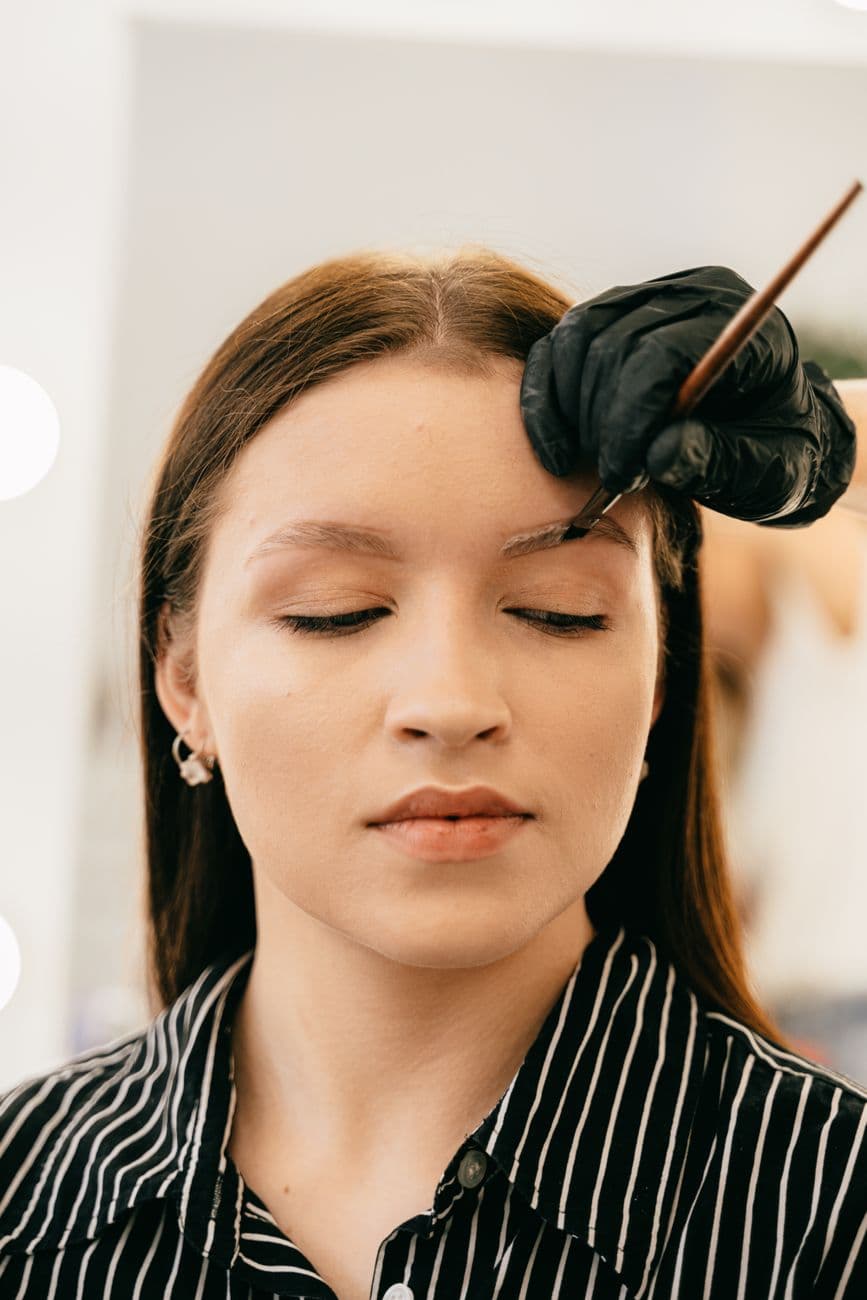
Microblading is a specialized cosmetic procedure designed to enhance or restore the appearance of eyebrows by tattooing fine, hair-like strokes into the skin. Unlike traditional permanent makeup methods that deposit color universally, microblading uses an angled blade (or scalpel) to create individual pigment deposits that look exactly like natural hairs.
The goal of the process is not just to add color, but to recreate the dimension and direction of natural brow hair. The procedure requires significant artistry and precision, as the final result depends heavily on how the pigment is placed and feathered into the skin's surface.
This treatment is highly customizable. A skilled artist will map your unique brow shape, considering factors like bone structure and natural growth patterns, to ensure the resulting strokes look harmonious with your overall facial features. It is a semi-permanent solution, meaning the color will gradually fade over time, typically lasting anywhere from one to three years, depending on skin type and aftercare diligence.
Am I a Good Candidate for Microblading?
While microblading is excellent for restoring fullness, it is crucial to determine if it is the right treatment for you. A qualified professional will conduct a thorough consultation to assess your specific needs and suitability for the procedure.
Key factors considered during candidacy evaluation include:
- Skin Type: Different skin types hold pigment differently. The specialist must ensure your skin is healthy enough to accommodate the semi-permanent makeup safely.
- Brow Condition: If the thinning is due to underlying medical conditions, those factors must be discussed with a physician before proceeding with cosmetic treatments. Microblading works best when the brow area is otherwise healthy.
- Desired Outcome: It is important to set realistic expectations. Microblading enhances natural appearance; it does not create hair follicles where none exist. The goal is realistic restoration, not an unnatural look.
During your initial consultation at Sherry Cosmetic Clinic, the team will use this opportunity to discuss your medical history and lifestyle factors, ensuring that any treatment plan developed is safe and appropriate for you.
Are There Alternatives to Microblading?
Yes. While microblading offers exceptional realism, it is not the only option available. The best solution depends entirely on your desired outcome, budget, skin sensitivity, and how much time you want to invest in aftercare.
- Nano Brows/Powder Brows: This method deposits color pigment into the upper layer of the skin using a machine, creating a soft, diffused shadow effect rather than distinct strokes. This is often preferred for those with very sparse or mature brows who might find microblading strokes too defined.
- Tattooing (Traditional PMU): Older techniques may use different pigments and methods, but modern practices emphasize natural results. A consultation helps distinguish between the various cosmetic tattooing types to ensure you receive the most advanced approach.
How Does the Microblading Procedure Work?
The microblading process itself is meticulous and requires a steady hand and expert artistic vision. The procedure is typically done in one or two sessions, depending on how much restoration is needed.
The general steps include:
- Consultation and Mapping: Before any pigment touches your skin, the artist spends time mapping your brows. You will discuss your desired shape, fullness, and pattern. This step ensures the final result frames your face perfectly.
- Preparation: The brow area is cleansed, sterilized, and gently prepared. Numbing cream is applied to minimize discomfort during the procedure.
- The Tattooing Process: Using a specialized, sterile device, the artist manually drags the blade across the skin in short, directional strokes. These strokes are designed to mimic the natural growth pattern of eyebrow hairs. The pigment is deposited beneath the surface layer of the skin.
- Aftercare Instructions: Once complete, the area is cleaned, and detailed aftercare instructions are provided immediately. Following these steps diligently is crucial for proper healing and optimal color retention.
It is vital to choose a clinic that adheres to the highest standards of sanitation and uses only sterile, single-use supplies to prevent any risk of infection or allergic reactions.
How Long Do I Need to Wait Between Sessions?
For initial restoration, most professionals recommend an initial session followed by a minor touch-up appointment several weeks later.
The first session establishes the foundation and shape. However, because pigment can sometimes settle unevenly or fade slightly during the initial healing phase, a follow-up visit is highly beneficial. This second appointment allows the artist to perfect the density, adjust the color saturation, and ensure that every stroke is perfectly placed before the brow fully heals.
The timing of these appointments is non-negotiable because proper healing time is needed for the pigment to settle correctly within the skin's matrix. Attempting to rush this process can compromise the final look and longevity of the results.
How Long Will My Microblading Last?
Microblading is a semi-permanent procedure, which means the pigment does not stay in the skin forever like a traditional tattoo might. The color fades over time as your natural skin cells regenerate and shed pigmented material.
The average longevity for microblading results ranges from one to three years. However, several factors influence how long the results will last:
- Skin Metabolism: People with faster cell turnover rates may see fading sooner than those with slower metabolism.
- Aftercare Adherence: Following the aftercare protocol meticulously is perhaps the single biggest factor in maintaining pigment vibrancy and proper healing.
- Sun Exposure: Excessive sun exposure can accelerate the fading process and cause pigment to break down prematurely.
To maintain your brows, a combination of excellent aftercare and periodic touch-up sessions is recommended. Sherry Cosmetic Clinic ensures that patients receive personalized advice tailored to their specific skin chemistry for maximum retention.
What Kind of Aftercare Should I Expect?
Aftercare is arguably as important as the procedure itself. Improper care can lead to poor healing, infection, or pigment rejection, all of which compromise the final results.
General aftercare guidelines usually include:
- Cleaning: Keeping the area clean with a sterile saline solution or gentle cleanser is paramount. Washing gently but thoroughly prevents buildup and irritation.
- Moisturizing/Healing: The artist will recommend specific ointments or balms to keep the wound moist, which promotes healing while preventing scabbing that can distort the strokes.
- Avoidance: For the first few weeks, avoiding excessive sweat, steam (like saunas), pool chlorine, and irritating products is necessary. Hot showers are usually acceptable after consulting with your provider.
- Sun Protection: Once fully healed, always apply SPF sunscreen to the brow area when outdoors to protect the pigment from UV damage.
Always follow the specific instructions provided by your artist at Sherry Cosmetic Clinic, as these guidelines may be adjusted based on unique factors such as previous skin conditions or treatments you have undergone.
Microblading is a powerful and time-saving cosmetic enhancement that can restore confidence and natural beauty to thin or over-plucked brows. By understanding the process, adhering strictly to aftercare protocols, and choosing
Frequently Asked Questions
What is microblading and how does it differ from traditional eyebrow tattooing?
Microblading is a cosmetic procedure that involves creating fine, hair-like strokes on the eyebrows using an angled blade. Unlike traditional eyebrow tattooing, which deposits color uniformly, microblading mimics natural hair growth for a more realistic look.
How long does microblading last?
Microblading is semi-permanent and typically lasts between one to three years, depending on factors like skin type, aftercare, and sun exposure.
What should I expect during the microblading procedure?
The process includes consultation, mapping, preparation, tattooing with a sterile device, and aftercare instructions. It usually requires one or two sessions for full restoration.
How do I know if I'm a good candidate for microblading?
A qualified professional will assess your skin type, brow condition, and desired outcome during a consultation to determine if you're a suitable candidate for microblading.
What are some alternatives to microblading?
Alternatives include Nano Brows/Powder Brows, which create a diffused shadow effect, and traditional PMU tattooing, which uses different methods for natural results.
Related Services
Ready to book? Book an appointment with Sherry Cosmetic Clinic in Richmond Hill, or get in touch if you have a question first.