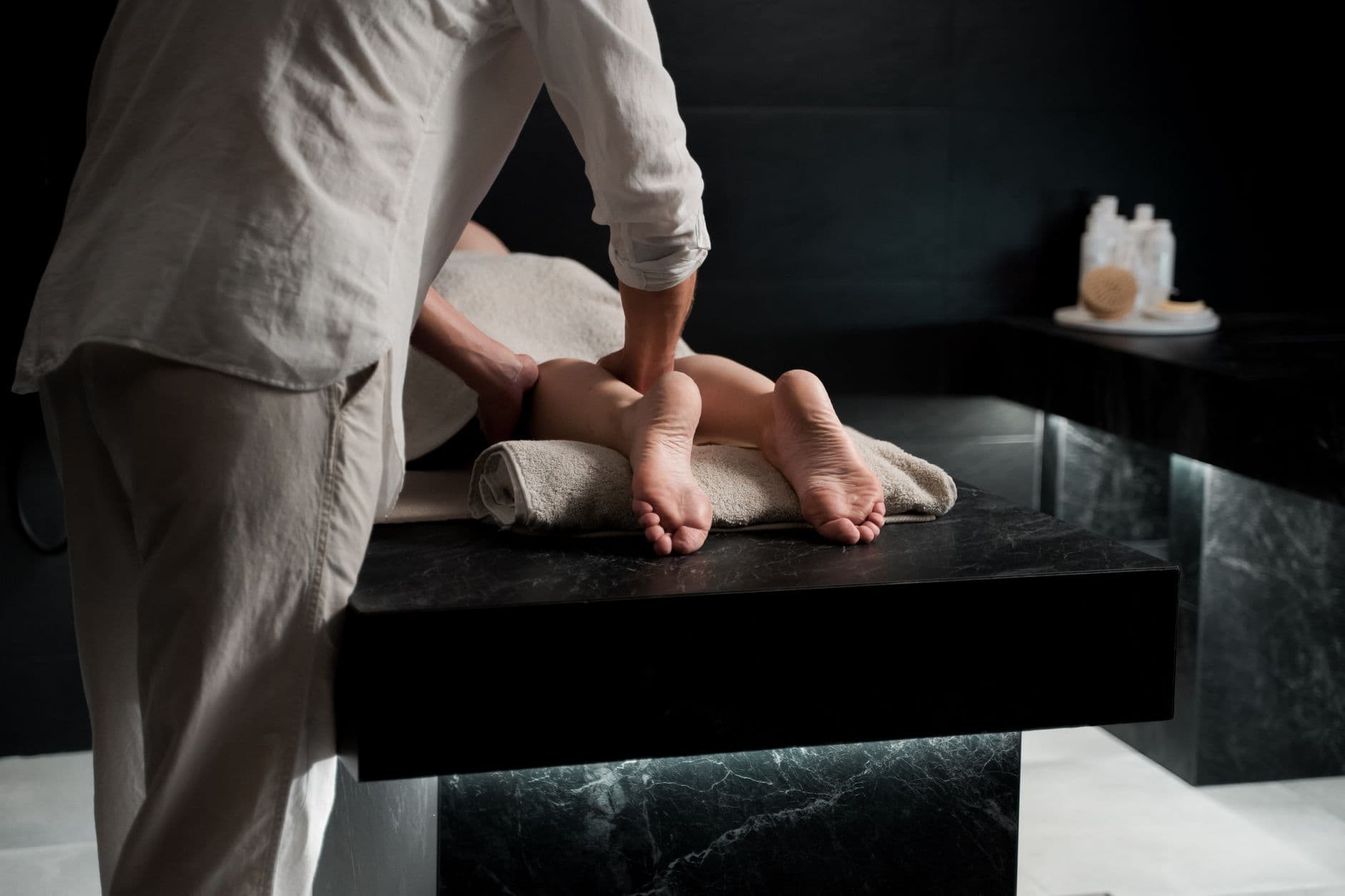
Key Takeaways
- Swedish massage is ideal for general relaxation and stress reduction.
- Deep Tissue massage targets deeper muscle tension and structural stress.
- Aromatherapy can enhance the stress-relieving effects of a massage.
- Proper preparation and communication are crucial for maximizing benefits from Deep Tissue massage.
For general stress relief, incorporating techniques like Swedish or Deep Tissue massage is highly beneficial because they promote relaxation by improving circulation and releasing muscle tension. However, customized treatments—such as hot stone or aromatherapy massage—may best target your specific needs, making consultation with a qualified professional essential for determining the optimal approach.
What kinds of massages are best for stress relief?
When discussing the "best" type of massage for stress relief, it is important to understand that different modalities address different physiological responses. Most commonly, two types stand out: Swedish massage and Deep Tissue massage.
Swedish massage is generally considered excellent for initial relaxation and stress reduction because its techniques are gentle, flowing, and rhythmic. It involves long strokes, kneading, and friction applied over large areas of the body. This approach helps to improve blood circulation and lymphatic drainage without putting excessive strain on tight muscles. For someone who is experiencing generalized anxiety or simply needs a calming experience, this method is usually very soothing.
Deep Tissue massage, on the other hand, focuses on the deeper layers of muscle and fascia. While it can feel more intense—and sometimes uncomfortable—its goal is to break down chronic knots (adhesions) and address structural tension that contributes to physical manifestations of stress. If your stress has caused persistent tightness in your shoulders or lower back, a therapist might recommend Deep Tissue work to restore proper range of motion.
Ultimately, the "best" massage depends on whether you need generalized calming (Swedish) or targeted muscle release (Deep Tissue).
How does massage therapy physically help with anxiety and chronic stress?
The link between physical touch and mental well-being is rooted in neurochemistry. Stress doesn't just feel emotional; it creates very real physiological changes—elevated cortisol levels, muscle bracing, shallow breathing, and disrupted nervous system signaling. Massage therapy works by interrupting this cycle.
During a massage, your body responds to the tactile input (touch) which signals safety. This triggers the parasympathetic nervous system—often called the "rest and digest" system. Activating this system helps counteract the effects of chronic stress, which keeps you stuck in the sympathetic ("fight or flight") state.
Physiologically, massage can:
- Lower Cortisol: The primary stress hormone, helping your body return to a calmer baseline.
- Release Endorphins: These natural mood elevators provide a sense of well-being and reduced pain perception.
- Improve Circulation: Better blood flow delivers essential oxygen and nutrients to tense muscles, which can reduce the physical discomfort associated with high stress.
- Promote Deeper Breathing: Gentle manipulation encourages you to breathe more deeply, which is itself a powerful tool for managing anxiety symptoms.
This systemic relaxation means that by treating the body's physical tension, massage can provide a profound sense of emotional relief. At Sherry Cosmetic Clinic, we recognize that skin health and internal wellness are connected, and incorporating services like massage therapy into your self-care routine is part of maintaining overall balance.
Is aromatherapy an effective way to enhance stress relief during a massage?
Aromatherapy enhances the experience of massage by targeting the olfactory system—the sense of smell—which has a direct connection to the limbic system in the brain (the area responsible for emotions and memory). Because of this strong link, certain scents can have immediate, measurable impacts on mood.
The power of aromatherapy is not that the oils cure stress, but that they provide a focused sensory experience designed to guide your mind toward relaxation. For example:
- Lavender: Widely known for its calming properties, lavender oil helps slow heart rate and promote deep rest.
- Chamomile: Often used for its soothing quality, it can help alleviate feelings of restlessness or tension.
- Bergamot: A citrus scent that is uplifting yet grounding, making it excellent for balancing mood swings associated with stress.
When a professional like those at Sherry Cosmetic Clinic incorporate essential oils into your treatment, they are using these scents purposefully to complement the physical benefits of the massage. The combination allows the therapy to be both physically restorative and emotionally soothing.
What should I expect before and after my deep tissue massage?
Preparing for a massage, especially a deeper modality like Deep Tissue work, is key to maximizing benefits and minimizing discomfort.
Before the Session:
It is best to stay hydrated in the hours leading up to your appointment. Staying well-hydrated helps improve circulation, which is crucial for the therapeutic effects of the massage. Furthermore, it is advisable not to skip meals immediately before your treatment; having a light, balanced snack will ensure your blood sugar levels are stable and that you have enough energy for the session.
During the Session:
Communication is vital. A good therapist will check in with you regularly. If any pressure level is uncomfortable or painful, you must tell your therapist. They can adjust their technique immediately to keep you within a productive comfort zone. Remember that some discomfort during Deep Tissue work signals that tension is being released, which is part of the therapeutic process.
After the Session:
After receiving deep tissue massage, your body might feel temporarily "heavy" or slightly achy—this is normal. This sensation often means that waste products and metabolic toxins have been released from the muscles, a process called lymphatic drainage. To help flush these out:
- Hydrate aggressively: Drink plenty of water throughout the day.
- Gentle movement: Light walking helps restart circulation naturally.
- Rest: Give your body time to absorb the benefits of the treatment.
Who should avoid massage therapy?
While massage is generally safe and beneficial for most people, there are specific medical conditions or physical contraindications where a client should consult their primary care physician before booking a session.
Potential restrictions include:
- Acute Inflammation/Infection Sites: If you have an active skin infection, rash, or inflamed area, massage should be avoided over that spot until it has healed.
- Severe Blood Thinning Medications: Depending on the medication and dosage, some therapists may advise caution to prevent excessive bruising.
- Certain Injuries or Acute Pain: If you are recovering from recent surgery or have acute joint pain, the therapist will need careful knowledge of your limitations.
- High Fever or Systemic Illness: When the body is fighting a significant infection, physical manipulation can be taxing.
Always inform your practitioner about all medications, past injuries, and current health concerns. A qualified professional at Sherry Cosmetic Clinic takes a comprehensive approach to ensuring your safety and maximizing the therapeutic value of the session.
Self-care should be tailored to your unique needs. By understanding which types of massage work best for different stressors—and by communicating openly with your medical spa team—you can effectively integrate deep, restorative treatments into your wellness routine.
Frequently Asked Questions
What are the benefits of Swedish massage for stress relief?
Swedish massage promotes relaxation through gentle, flowing techniques that improve circulation and lymphatic drainage without straining tight muscles.
How does Deep Tissue massage help with stress?
Deep Tissue massage targets deeper muscle layers to break down knots and address structural tension, helping restore range of motion and reduce physical manifestations of stress.
Can aromatherapy enhance the effects of a massage for stress relief?
Yes, aromatherapy can enhance stress relief by using scents like lavender, chamomile, and bergamot to guide the mind toward relaxation and complement the physical benefits of massage.
What should I do before a Deep Tissue massage session?
Stay hydrated and have a light snack before your session to improve circulation and maintain stable energy levels.
How does massage therapy help with anxiety and chronic stress?
Massage lowers cortisol, releases endorphins, improves circulation, and promotes deeper breathing, helping counteract the physiological effects of chronic stress.
Who should avoid massage therapy?
People with acute inflammation, severe blood thinning medications, recent injuries, or high fever should consult a physician before receiving massage therapy.
Related Services
Ready to book? Book an appointment with Sherry Cosmetic Clinic in Richmond Hill, or get in touch if you have a question first.