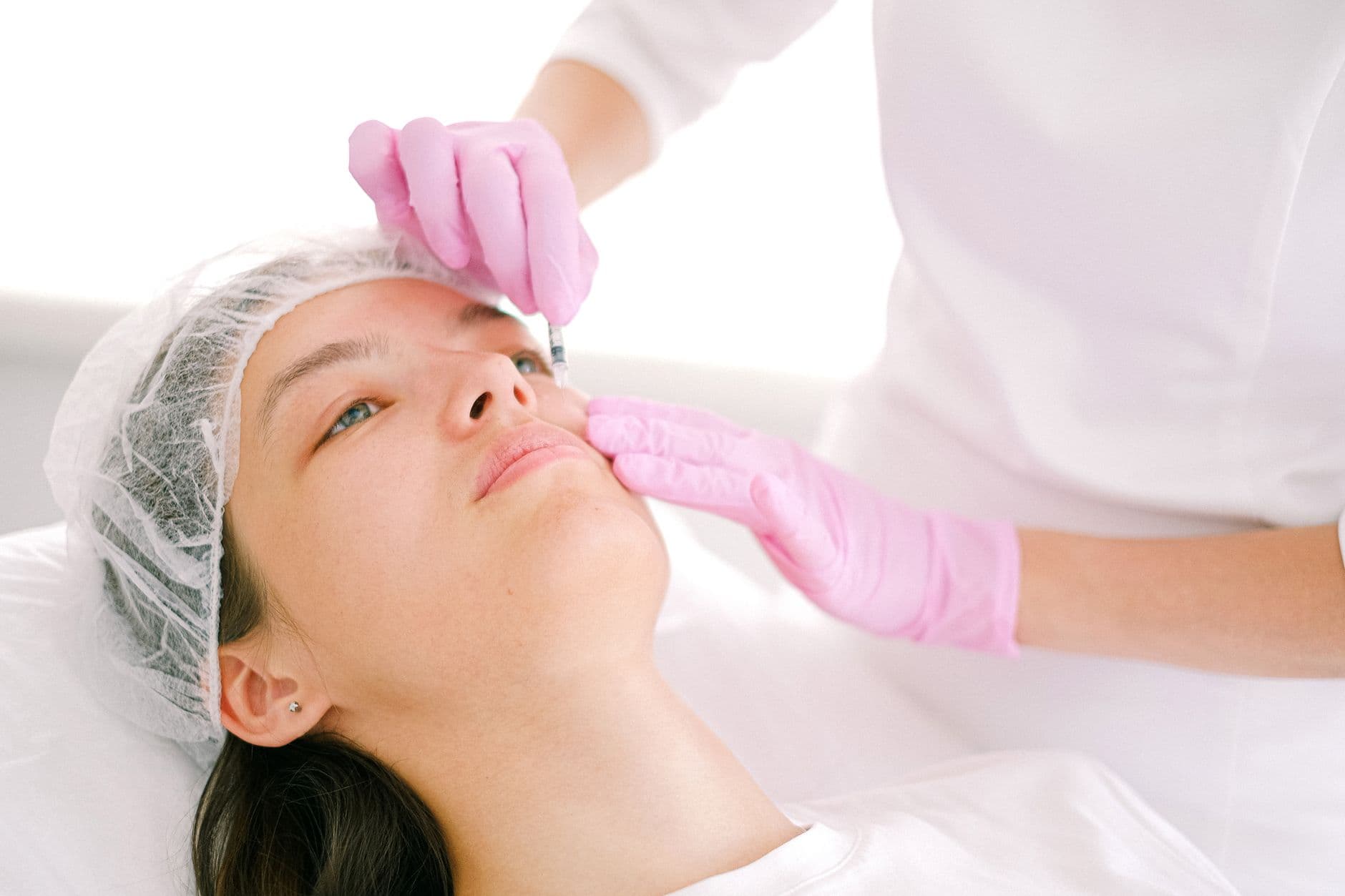
Key Takeaways
- Preventative Botox is best started in the late 20s or early 30s to address muscle movement.
- Botox works by relaxing muscles, not filling wrinkles.
- Common targets for preventative Botox include the forehead, glabella, crow's feet, and nasolabial folds.
- Side effects are generally mild but require professional administration.
For most individuals, there is no single “best” age to start preventative Botox; rather, it is best discussed when you first notice lines or wrinkles that concern you. Prevention is typically approached during your late 20s and early 30s, focusing on targeted areas like the forehead and glabella (the "11s"). The goal at this stage is not elimination, but maintenance—using neurotoxins to relax muscles before deep etching occurs.
When Should I Start Botox Prevention?
Many people delay considering preventative treatments until they see severe wrinkles, but this often means waiting until muscle action has already caused permanent lines. Experts generally recommend initiating preventative care in your late 20s or early 30s. This timing allows practitioners to address the underlying muscle movement causing the lines, rather than just treating the surface skin damage.
The key difference between waiting and starting early is the approach:
- Addressing Movement: Early intervention focuses on relaxing the muscles responsible for dynamic wrinkles (wrinkles that appear when you make an expression, like squinting or frowning).
- Preventative Action: By addressing these movements now, the skin has a better chance of retaining its natural elasticity and structure over time.
It is important to understand that Botox does not reverse decades of sun damage or deep textural changes. However, by managing muscle activity early, you can slow down the visible progression of common signs of aging in areas like the forehead and between the eyebrows.
How Does Botox Actually Work?
Botox, which contains a neurotoxin (botulinum toxin), does not "fill" wrinkles; it works by temporarily interfering with nerve signals. It is crucial to understand that you are treating the muscle, not the wrinkle itself.
When certain muscles repeatedly contract—for example, when you raise your eyebrows or frown—they send electrical signals down nerves to the muscles in your forehead and brow area. These muscles then physically pull the skin, creating visible lines.
- The Mechanism: Botox is injected into these overactive muscles. The toxin works locally to temporarily weaken the nerve's ability to signal the muscle to contract.
- The Result: Because the muscle cannot contract fully or frequently, the dynamic wrinkles soften and become less noticeable. The effects are temporary, typically lasting three to four months, which allows for a continuous cycle of maintenance treatments.
A consultation with an experienced provider, such as those at Sherry Cosmetic Clinic, can help determine if your concerns stem from hyperactive muscles or structural skin laxity, ensuring the correct treatment plan is utilized.
What Areas Are Most Common Targets for Botox?
While botulinum toxin can be used in many parts of the face and body, certain areas are the most frequent targets when discussing preventative care. These areas are highly susceptible to muscle movement creating visible lines:
- Forehead: Lines created by raising the eyebrows or expressing surprise are extremely common.
- Glabella (The "11s"): The vertical furrows located between the eyebrows, which appear when concentrating or frowning. This is perhaps the most classic preventative target.
- Crow's Feet: These lines appear around the outer corners of the eyes due to squinting and smiling. While often associated with aging, they are primarily movement-related.
- Smiles Lines (Nasolabial Folds): Though these deep folds are often linked to fat pad changes, Botox can sometimes be used adjunctively if muscle tension contributes significantly.
The goal of treatment is always customized based on individual patterns of movement and patient goals.
What Are the Risks and Side Effects of Botox?
Like any medical procedure, Botox carries potential risks and side effects. It is imperative to approach this service with realistic expectations and only seek care from a qualified professional who understands anatomy and can discuss risks thoroughly.
Common and Usually Mild Side Effects:
- Bruising or Swelling: Minor bruising at the injection site is common and usually resolves within a few days.
- Temporary Discomfort: Some mild soreness in the treated area may occur.
Potential Risks (Which are why professional evaluation is critical):
- Over-Treatment/Ptosis: If too much product is injected, or if the wrong muscle is targeted, it can lead to temporary weakness or drooping of the eyelid (ptosis) or eyebrow (brow asymmetry). This risk highlights the necessity of an expert provider.
- Bruising: While minor bruising is expected, excessive bleeding or hematoma formation is rare but possible.
A thorough consultation allows a medical professional to review your full medical history and discuss potential contraindications before any procedure takes place.
How Does Botox Prevention Differ from Fillers?
Many patients confuse neurotoxins (Botox) with dermal fillers, but they perform fundamentally different functions in the face. Understanding this difference is key to setting appropriate expectations for preventative care.
- Neurotoxins (e.g., Botox):
- Function: Relaxes muscles by temporarily blocking nerve signals.
- What it treats: Dynamic wrinkles caused by muscle movement (e.g., frown lines, forehead creases).
- Analogy: It turns down the volume on a muscle's action.
- Dermal Fillers (e.g., Hyaluronic Acid):
- Function: Provides structural volume and lifting support.
- What it treats: Static wrinkles (lines present even when muscles are relaxed) or loss of underlying facial volume (e.g., deep nasolabial folds, cheek hollowing).
- Analogy: It acts like a filler to plump up lost structure.
A comprehensive assessment from an experienced team at Sherry Cosmetic Clinic will determine if your primary concern is muscle hyperactivity (Botox) or volume loss/static lines (Fillers), or potentially both. The best results often come from combining these modalities.
Is Botox Safe and Effective for Everyone?
While generally considered safe when administered by a licensed, skilled professional, it is not suitable for every single person. Safety is paramount, and the effectiveness depends entirely on accurate diagnosis and appropriate treatment planning.
Considerations of Safety and Efficacy:
- Medical History Review: Your provider must review your entire medical history to rule out any contraindications (such as certain blood thinners or neurological conditions).
- Individual Results: The degree of wrinkle reduction varies greatly among individuals. Lifestyle factors, genetics, sun exposure, and natural tissue elasticity all play a role in the final outcome.
- Professional Expertise: Because the product is delivered by injection into complex anatomy, the skill level of the practitioner is arguably the most crucial factor in safety and efficacy.
When seeking preventative care in the Richmond Hill/GTA area, prioritizing a provider with extensive experience in neuromodulators is essential for achieving predictable, safe results.
Starting preventative Botox requires careful timing, education, and professional oversight. By understanding that treatment targets muscle action rather than skin damage itself, you can approach these procedures with realistic expectations. If you are concerned about the appearance of dynamic wrinkles or want to learn if preventative neurotoxin treatments are right for your lifestyle, a detailed consultation is the best next step toward developing a personalized aesthetic plan.
Frequently Asked Questions
What is the ideal age to start preventative Botox?
The ideal age to start preventative Botox is typically in the late 20s or early 30s, focusing on addressing muscle movement before deep wrinkles form.
How does Botox work to prevent wrinkles?
Botox works by temporarily blocking nerve signals to relax muscles responsible for dynamic wrinkles, thus preventing them from forming.
What are common side effects of Botox?
Common side effects include minor bruising or swelling at the injection site and temporary discomfort in the treated area.
Can Botox reverse deep wrinkles or sun damage?
Botox cannot reverse deep wrinkles or sun damage; it is effective for preventing dynamic wrinkles caused by muscle movement.
How does Botox differ from dermal fillers?
Botox relaxes muscles to prevent dynamic wrinkles, while dermal fillers add volume to treat static wrinkles and loss of facial structure.
Related Services
Ready to book? Book an appointment with Sherry Cosmetic Clinic in Richmond Hill, or get in touch if you have a question first.