Key Takeaways
- Professional facials can significantly help manage acne by deep cleansing and reducing inflammation.
- Facials complement at-home skincare by addressing deeper skin issues.
- Acne-focused facials include deep cleansing, chemical peels, and LED light therapy.
- Regular facials every 2-6 weeks help maintain clear skin.
- Strict aftercare is essential to protect treated skin.
How the Right Facial Can Help With Acne-Prone Skin
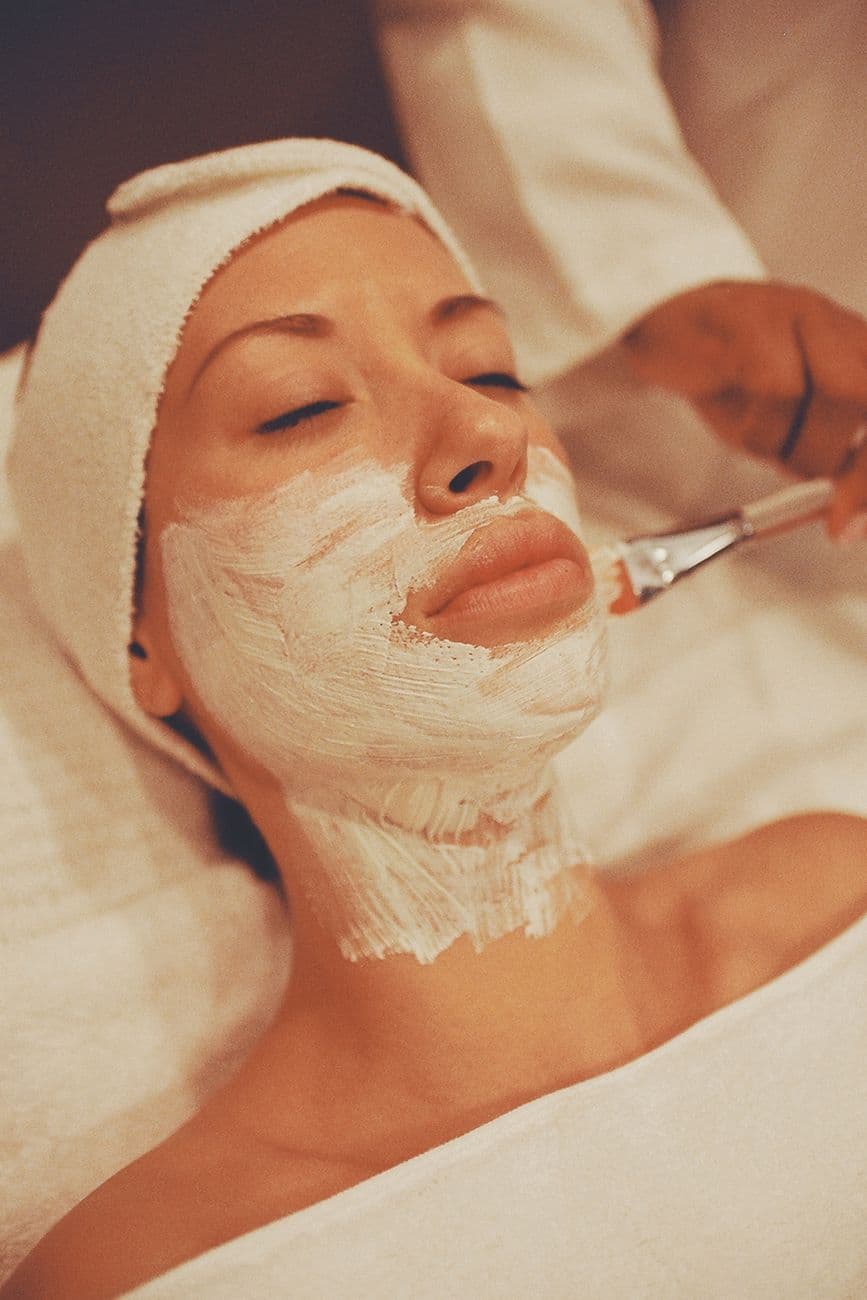
Professional facials can significantly help manage acne-prone skin by performing deep cleansing, gently exfoliating dead skin cells that clog pores, and providing targeted treatments to reduce inflammation and bacteria. These sessions are designed to restore balance, minimize breakouts, and improve overall skin clarity through professional care tailored to your specific concerns.
What exactly do I need to do for acne-prone skin?
Acne is a complex inflammatory condition, not simply a surface issue that can be solved by washing your face more often. It occurs when pores become blocked by an accumulation of excess sebum (oil), dead skin cells, and bacteria, leading to inflammation and breakouts. While maintaining a consistent at-home skincare routine is crucial, professional facial treatments complement this care by addressing deeper issues that manual cleansing cannot reach.
A skilled aesthetician can perform thorough extractions and deep pore cleansing, removing blockages that contribute to blackheads and whiteheads. Furthermore, certain facials incorporate chemical exfoliants—such as those containing salicylic acid or gentle AHAs (alpha hydroxy acids)—which chemically encourage the shedding of dead skin cells. This process prevents pores from becoming consistently clogged, which is key to managing the chronic nature of acne-prone skin.
It is important to understand that a facial is not a cure for acne, but rather a powerful maintenance tool that supports your skin’s natural healing processes and keeps breakouts at bay. Addressing inflammation and oil production levels are primary goals achieved through these specialized treatments.
What specific types of facials are best for treating acne?
Not all facials are created equal, especially when dealing with inflammatory skin conditions like acne. The goal of an acne-focused facial is to treat the root cause—clogged pores and inflammation—while remaining gentle enough not to irritate already sensitive skin.
Many professional clinics, including those in the greater Toronto area, utilize advanced equipment and formulations to achieve deep results. You should inquire about facials that incorporate these elements:
- Deep Cleansing and Extraction: This is often the foundation of the treatment. A professional hand or tool extraction removes comedones (clogged pores) safely and effectively.
- Chemical Peels: Mild peels are highly beneficial because they dissolve the "glue" that holds dead skin cells together within the pore lining. Ingredients like salicylic acid are particularly effective as they are oil-soluble, meaning they can penetrate deeper into the pore to break down sebum blockages.
- Anti-inflammatory Masks: After exfoliation and extraction, masks containing soothing ingredients (such as green tea extracts or colloidal oatmeal) help calm down redness and reduce the overall inflammatory response that often accompanies breakouts.
- Microcurrent or LED Light Therapy: Some advanced facials incorporate technologies like blue light therapy, which is known to have antibacterial properties, helping to kill acne-causing bacteria P. acnes directly on the skin surface.
When choosing a service at a clinic like Sherry Cosmetic Clinic, always ensure that the practitioner has experience treating inflammatory and sensitive skin types. This expertise ensures that powerful ingredients are used at appropriate concentrations to maximize benefit while minimizing potential irritation or allergic reactions.
Should I be worried about damaging my skin during extractions?
It is normal for acne-prone skin to feel sensitized after professional treatments, but when performed correctly by an expert, the process should be safe and effective. The primary risk with extractions comes from improper technique or excessive pressure.
A qualified skincare professional understands the difference between a superficial buildup of debris and actual deep infection or inflammation. They will use sterile, single-use tools and gentle, systematic pressure to ensure that only the blockage is removed, not the surrounding healthy tissue. If you experience pain or undue discomfort during the facial, communicating this immediately to your aesthetician is essential.
How often should I get facials for acne?
The ideal frequency depends heavily on the severity of your acne and how resilient your skin barrier is. For active breakouts, a clinician might recommend starting with treatments every 2 to 3 weeks. This allows the skin enough time to recover from the exfoliation and deep cleansing before the next session.
However, consistency is more important than intensity. Even if you are not experiencing major flare-ups, incorporating a professional facial every 4 to 6 weeks can be highly beneficial for maintenance. These regular appointments help keep pores clear, manage oil production levels proactively, and prevent minor breakouts from developing into larger, more inflammatory lesions.
Remember that facials should always complement your daily routine. If you are at home using strong acne wash or retinoids, the skin might need extra time to adjust, and your facialist will tailor the treatment plan accordingly.
What should I expect after an acne facial?
The immediate aftermath of a professional facial can vary slightly depending on whether peels were used, but general expectations include:
- Increased Sensitivity: Your skin barrier may be temporarily heightened, making it feel slightly more reactive than usual for the first 24 hours.
- Redness (Erythema): Some mild flushing or redness is normal, particularly after deep exfoliation. This indicates that the skin was actively treated and stimulated to heal.
- Increased Oil/Shine: Because the pores have been deeply cleaned, your skin may appear slightly shinier initially, which is a good sign of clarity but requires careful post-treatment care.
Aftercare is non-negotiable. Immediately after leaving the clinic, you must protect your treated skin from harsh elements:
- Sun Protection: UV exposure can dramatically worsen post-inflammatory hyperpigmentation (dark spots left by acne) and irritate compromised skin. Applying a broad-spectrum SPF 30 or higher every single day is mandatory, even when cloudy.
- Gentle Cleansing: Use only the mild cleanser recommended by your clinician. Avoid scrubbing or using abrasive cloths on your face for several days.
- Patience: It takes time for cell turnover to normalize and for inflammation to fully subside. Stick strictly to the post-care instructions provided by Sherry Cosmetic Clinic, and visible improvements should build gradually over several weeks.
By following these aftercare protocols, you help minimize redness and scarring, ensuring that your investment in professional care yields the best long-term results.
Taking control of acne-prone skin requires a disciplined approach involving both expert professional treatments and meticulous at-home care. By understanding how facial treatments work—specifically their ability to exfoliate, cleanse deep pores, and reduce inflammation—you can build a comprehensive routine that supports clearer, healthier skin. We encourage you to consult with the experienced team at Sherry Cosmetic Clinic in Richmond Hill for a personalized assessment tailored to your unique acne concerns and skin type.
Frequently Asked Questions
What is the main benefit of professional facials for acne-prone skin?
Professional facials help manage acne by deep cleansing, exfoliating dead skin cells, and reducing inflammation and bacteria.
How do facials complement at-home skincare routines?
Facials address deeper issues that manual cleansing cannot reach, supporting the skin's natural healing processes.
What types of facials are best for acne-prone skin?
Acne-focused facials include deep cleansing and extraction, chemical peels, anti-inflammatory masks, and LED light therapy.
How often should I get facials for acne?
For active breakouts, treatments every 2 to 3 weeks are recommended. For maintenance, every 4 to 6 weeks is beneficial.
What should I expect after an acne facial?
Expect increased sensitivity, mild redness, and shininess. Follow strict aftercare to protect your skin.
Related Services
Ready to book? Book an appointment with Sherry Cosmetic Clinic in Richmond Hill, or get in touch if you have a question first.